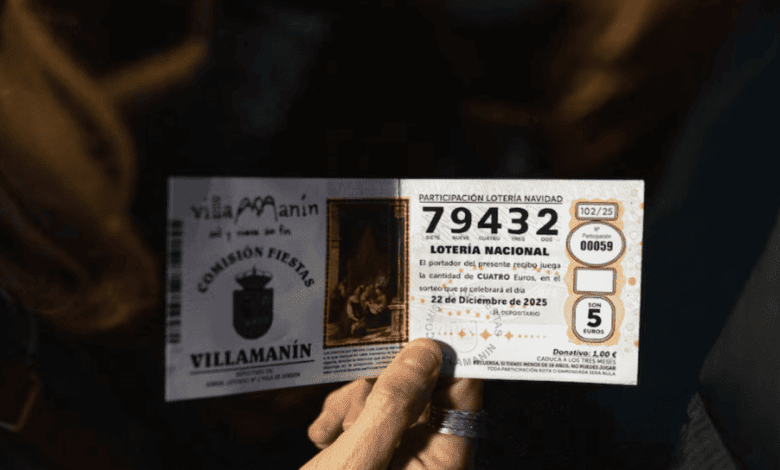
Spain is once again debating lottery slips—so-called “papeletas” that traditionally circulate ahead of major draws. The latest controversy flared up in the village of Villamanín, where the number of papeletas sold exceeded the actual winning tickets. Hundreds of locals are now left wondering who should get paid, how much, and who is responsible for the confusion.
The papeletas system has long been part of Spanish tradition. People buy them from neighbors, in bars, and at work—often without realizing they’re not actual tickets, but just a share in a possible prize. But when it comes time to collect, many discover that a papeleta isn’t a lottery ticket, and they can’t claim winnings directly from the lottery office.
How the system works
The government lottery company is not involved in papeletas at all. It only sells official tickets and receipts. Everything else is organized by private individuals, associations, festival committees, and other enthusiasts. They buy one or more official tickets, split them into shares, and sell those shares as papeletas. Legally, it’s a private transaction between seller and buyer, with no state oversight.
When buying a ticket slip, a person essentially enters into an oral or written agreement: if the ticket it corresponds to wins, the seller is obliged to pay out part of the winnings. However, if the slip is incorrectly filled out or the seller is dishonest, the chances of receiving the money are close to zero. For example, in Villamanin, the festival organizers sold slips exceeding the real number of purchased tickets. As a result, confusion arose and the residents were left in limbo.
What should be on the slip
For a ticket slip to have any legal validity, it must include: the date and name of the draw, ticket number, share price, the actual amount being raffled, and seller’s information—name, document number, and sometimes a stamp. If there is an extra fee or donation, it should be indicated as well. And, of course, a tax notice: winnings over 40,000 euros are subject to a 20% tax.
If at least one of these items is missing, the slip may be declared invalid. If the seller never actually purchased the ticket for which the slips were issued, this is considered fraud. In such cases, victims can take the matter to court, but the process is lengthy and stressful.
Who is responsible for the payout
If you win, contacting the lottery administration is pointless: only the person holding the official ticket receives the money. The seller of shares is obliged to pay each buyer their portion directly. If the seller refuses or disappears, your only option is to go to court. Legally, the buyer is protected, but in practice, it all depends on the seller’s integrity and financial capacity.
If the seller sells more shares than the actual number of tickets purchased, they are required to pay every buyer their share, even if it means covering the shortfall from their own assets. The only exception is if the seller warned buyers in advance about the mistake and tried to correct it. Otherwise, they bear full responsibility.
Fraud and mistakes
Cases where shares are sold without an actual ticket are not uncommon. This constitutes a criminal offense—fraud. Buyers can file a report with the police, and a court may order the fraudster to pay not only the winnings but also interest. However, proving the deception can be difficult, especially if the share was carelessly issued or lacks complete information.
Sometimes, mistakes happen without malicious intent: the seller may have confused the number of shares or miscalculated the portions. In such cases, the parties can try to reach an agreement on partial payment or installments. If no compromise is reached, the matter goes to court, where it is determined who is owed what amount.
Risks and realities
Spaniards are used to trusting paper slips, seeing them as part of the national character. But the events in Villamanín have revealed that behind this tradition lie real risks. By buying a paper slip, you risk walking away with nothing if the seller is dishonest or simply makes a mistake in the calculations. Still, for many, excitement and faith in luck outweigh common sense.
Personally, I believe it’s time to reconsider our attitude towards these ‘papeletas.’ As long as the state remains hands-off, each buyer is left to face any problems alone. And if you’re going to play, at least read what’s written on the slip carefully. Even better—buy an official ticket. But as practice shows, tradition in Spain is stronger than any advice.