A new chapter has begun in Spanish politics: after a key initiative to reduce working hours failed to pass in parliament, Yolanda Díaz decided not to slow down. The country’s Deputy Prime Minister, facing resistance from several parties, made a sharp change in approach and is now acting much more decisively. She did not hide her disappointment and even openly confronted members of Junts, accusing them of defending the interests of employers rather than Catalan independence.
After the failure of her main project, Díaz’s team did not retreat. On the contrary, they launched a wide-ranging campaign to push social reforms through the government. The new strategy focuses on approving reforms at Cabinet meetings, while issues that require parliamentary approval are brought up for debate to show the public how each party votes on key matters. Díaz is now negotiating about a dozen initiatives, and early results are already emerging for some of them.
Labor rights are now in the spotlight. In the coming days, a discussion will begin on changes to dismissal regulations, despite clear discontent from employers and even some government colleagues. Díaz cites European standards, which Spain has yet to meet. The details of the new plan have not yet been disclosed, but both unions and business leaders are already preparing for heated debates.
Among other initiatives are increasing bereavement leave to ten days and introducing a new permit to care for relatives receiving palliative care. These proposals have sparked mixed reactions: the Minister of Economy called for taking business interests into account, while the head of the largest business association even tried to mock the idea. Nevertheless, the Ministry of Labor insists that the work on the draft law is nearing completion.
The issue of the minimum wage has also not gone unnoticed. This year, talks on raising it began earlier than usual, alongside parallel negotiations to prohibit the absorption of allowances when increasing the minimum wage. Trade unions insist on this condition, and employers are voicing dissatisfaction, but it seems an agreement will only be reached with the largest workers’ unions.
The agenda still includes amendments to the occupational safety law and a new status for interns, which has long been postponed. Sumar believes that the socialists are finally ready for dialogue, as confirmed by recent decisions on family leave and other social issues.
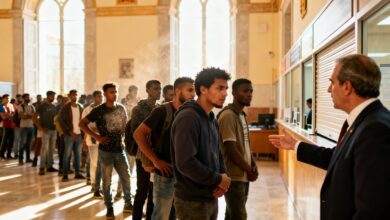
Another pressing issue is the legalization of migrants. Sumar insists on passing the relevant decree by the end of October, but there has been no progress so far. Given the tense political climate in Spain this autumn, the situation could change at any moment.