The decision by the French prosecutor’s office in the Josu Ternera case has become a key event for Spanish society, as it directly impacts the prospects of extraditing the former ETA leader to Spain and may reshape the approach to counterterrorism in Europe. The question of whether he will remain free or be handed over to Spanish authorities has sparked wide public debate and affects the interests of both countries.
As El Pais reports, the French prosecutor is seeking a five-year sentence for José Antonio Urrutikoetxea, known as Josu Ternera, but proposes a suspended sentence rather than imprisonment, along with a ban on his remaining in France. This approach is based on the fact that his role in ETA from 2002 to 2005 did not involve direct participation in attacks, and also considers his involvement in peace negotiations. However, this decision could complicate his situation, as the ban on staying in France paves the way for his extradition to Spain, where he faces new legal proceedings.
Legal details
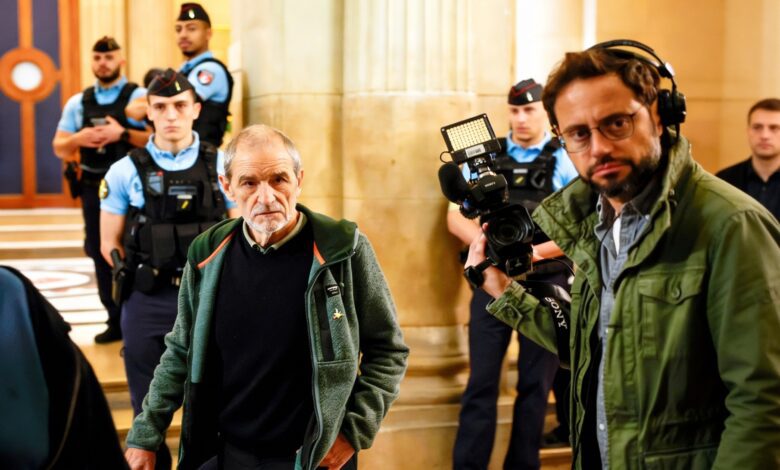
The second and final stage of the trial in Paris took place in a tense atmosphere. The judge conducted a detailed review of Ternera’s activities over different periods, focusing especially on his actions in the early 2000s. At that time, traces of his presence were found in apartments linked to ETA, although no weapons or explosives were discovered there. The defendant admitted to visiting these places but stressed that his visits were related to negotiations, not the planning of crimes. The prosecution also noted that after 2005, he was not observed participating in armed actions.
Ternera spoke about disagreements with the new ETA leadership that arose after the arrest of previous leaders. According to him, he advocated ending violence and tried to establish dialogue with the Spanish government. In particular, he took part in meetings in Switzerland, where the terms for a possible end to armed struggle were discussed. These negotiations, he said, became the starting point for the announcement of a ceasefire in 2006, although it proved to be short-lived.
Impact on extradition
As a final decision has not yet been made, Josu Ternera remains under supervision in France. Until all judicial procedures are completed, including a possible appeal to the Supreme Court, extradition to Spain is not possible. However, if the court sides with the prosecution, Ternera will face a choice: to continue his legal battle in France or attempt to go to another country, risking extradition to Spain under European warrants.
The trial in France has drawn close attention not only in Spain but also across Europe. The issue of extraditing former ETA members and holding them accountable for past crimes remains topical. Russpain.com’s analysis indicates that such cases often prompt discussions on justice reform and international cooperation.
Context and consequences
During the hearings, the judge showed interest in Ternera’s personal story, including his views on modern society and his experience in prison. The discussions covered not only his actions as part of ETA, but also his involvement in peace initiatives. Other aspects of his life were recalled, such as writing a cookbook in prison and reflecting on the notions of justice and peace in today’s world.
The issues of extradition and prosecution of former ETA members have repeatedly become topics of public debate. For example, the recent arrest of a politician in Madrid sparked discussions about police actions and their impact on the judicial system, as noted in the report on the reaction to the arrest of the former deputy in the capital. Such cases highlight the sharp focus on balancing security with respect for human rights.
In recent years, Spain and France have repeatedly heard cases involving former members of terrorist organizations. In 2025, high-profile trials on similar charges took place in Bilbao, and in 2024, changes to legislation aimed at streamlining extradition procedures were discussed. These events show that the issue of accountability for the past and the pursuit of justice remains one of the most challenging for European legal systems.