Spain’s rail system has come under scrutiny following the tragedy in Adamuz (Córdoba) and subsequent disruptions on key routes. These events have affected not only passengers but also the country’s economy, triggering a wave of mistrust in travel safety and infrastructure management efficiency. The questions raised in Congress today concern not only finding those responsible but also the future of Spain’s entire transport network.
Pedro Sánchez makes his first personal address to lawmakers regarding the disaster that claimed 46 lives. Previously, most public communication came from the transport minister, while the prime minister himself avoided direct answers to tough questions. The opposition criticizes the delayed explanations, and the public demands concrete decisions and assurances of safety.
Accountability and government response
One of the main topics is the assessment of the actions taken by state authorities in the first minutes after the accident. Despite statements about effective coordination between the central government and Andalusia, doubts remain about the speed of emergency response. Some victims claim help arrived too late, and the initial reports from Renfe and Adif point to confusion: the companies did not immediately realize the train had derailed.
Questions for Sanchez concern not only the coordination but also the transparency of the investigation. The public expects explanations as to why information about the causes of the accident is being delayed and how the authorities plan to prevent similar tragedies in the future. Recalling recent political disputes, it is worth noting that after the Adamuz disaster, a conflict erupted between political parties, which was detailed in the coverage of demands for the transport minister’s resignation and the public’s response to the tragedy. amid a political scandal surrounding the railway catastrophe.
Infrastructure under scrutiny
Immediately after the accidents in Adamuz and Gelida (Barcelona), large-scale inspections of railway tracks began. As a result, some trains have been canceled until the end of the year and travel time between Madrid and Barcelona has increased. Train operators complain about worn-out tracks and insufficient repair funding, which has led to strikes and mass protests.
Sanchez now faces the task of explaining why such a vital route for the country—Madrid to Barcelona—has fallen into a critical state, and who is responsible for the fact that many Spaniards are now afraid to use trains. According to surveys, nearly half of passengers have either already stopped traveling by rail or are seriously considering it. Restoring public trust in transport is becoming a key challenge for the government.
Funding and the future
Another pressing issue is the planned increase in spending on railway maintenance. A recent agreement between the Ministry of Transport and trade unions allocates an additional 1.8 billion euros for repairs and the creation of nearly four thousand new jobs. However, Sánchez will have to not only discuss future investments but also assess the effectiveness of funding over recent years, including the period under Mariano Rajoy, when infrastructure financing hit a low.
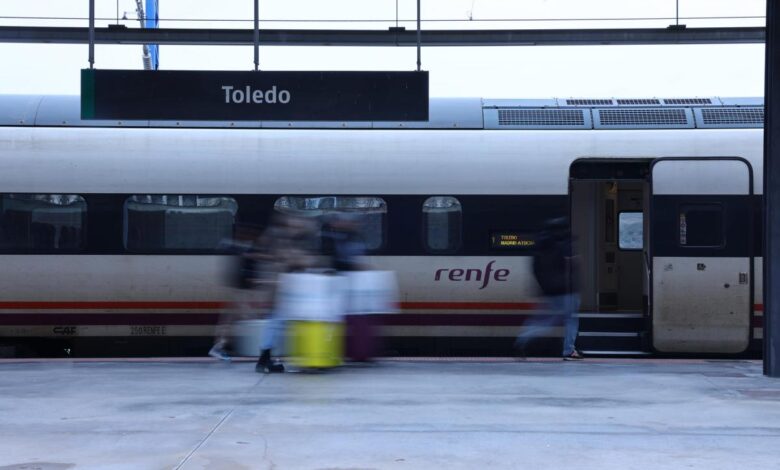
Particular attention is being paid to the timeline for restoring service on the Madrid–Andalusia line. After the accident and subsequent weather disasters, trains only run as far as Villanueva de Córdoba, and beyond that, passengers have to transfer to buses. The situation is even more complicated towards Málaga: a landslide has completely blocked the route for high-speed trains. Business, tourism, and labor mobility are all suffering due to the uncertainty, and society expects clear deadlines and concrete solutions from the government.
Investigation and technical details
The first official findings of the commission investigating the Adamuz accident indicate the rail broke before the Iryo train passed. Special attention is focused on the welded joint connecting a new rail section to the original segment from 1989. According to the head of the commission, it was this welding defect that caused the tragedy, and it now remains to be determined why this section was not detected and repaired in time.
Sánchez will have to disclose the details of the investigation, report on the progress of the service contract review, and explain which measures will be taken to prevent similar incidents. Questions about transparency and contractor oversight remain unresolved, and the public demands assurances that such mistakes will not happen again.
In recent years, Spain has already faced major railway disasters, leading to sweeping reforms and a revision of safety standards. After the Alvia tragedy in 2013, requirements for technical oversight were tightened and investments in rail modernization increased. However, new accidents indicate that problems persist and the system needs further changes. In other European countries, similar incidents have resulted in resignations of ministers and a complete overhaul of transport policy, highlighting the importance of timely and decisive action from Spanish authorities.