In the historic center of the Brazilian city of Recife, archaeologists have discovered an unusual mass grave dating back to the 17th century. During excavations, experts unearthed the remains of nine young men whose fate had long remained a mystery. Recent DNA analysis has shed light on their origins and the circumstances of their deaths, sparking significant interest within the scientific community.
Research revealed that all the uncovered skeletons belonged to individuals from Europe. Most carried Y-chromosome haplogroups characteristic of Western European populations. The deceased ranged in age from 15 to 21, and no signs of violent death were found on the bones. This led scientists to believe that the young men were victims of a sudden epidemic, rather than military conflict or execution.
Archaeological discovery
The mass grave was discovered in 2014, when construction workers began work in the old part of Recife. Beneath the foundations of buildings, a necropolis was hidden, containing the remains of more than 130 people. Some graves were methodically arranged, while others indicated haste and panic—the bodies were placed in shallow pits, pointing to an emergency situation.
Bioarchaeologists immediately noticed the unusual composition of the buried individuals: almost all were young men, with no signs of wounds or injuries. This led to the assumption that they could have been recruits or laborers who arrived from Europe as part of the Dutch colony that existed in what is now the state of Pernambuco from 1630 to 1654.
Genetic analysis
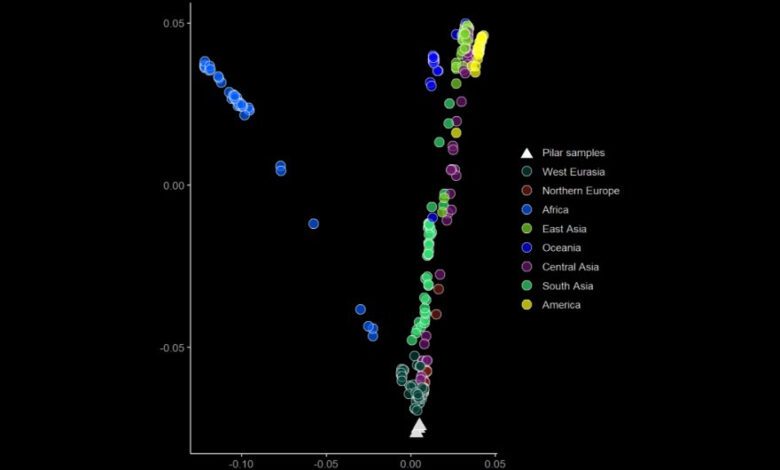
To determine the origin of the deceased, researchers from Brazil and the United States sequenced DNA from the bones of nine individuals. The results confirmed that most of them were of European origin: haplogroups R1a and R1b, typical for populations of Western and Northern Europe, were found in eight of the nine men. One skeleton showed a Y-chromosome haplogroup common in East Africa, but further analysis found no African ancestry based on autosomal markers.
The genetic data helped narrow down the possible regions of origin. The three best-preserved genomes were closely related to populations from Iceland, Norway, Estonia, the Czech Republic, and Slovakia. This supports the idea that individuals from various parts of Europe could have been present in the Dutch colonial forces.
Traces of an epidemic
The most unexpected discovery was the detection of pathogenic bacterial DNA in the remains. The samples revealed traces of Klebsiella pneumoniae—a cause of severe forms of pneumonia and sepsis—as well as Mycobacterium tuberculosis, which causes tuberculosis. The presence of these microorganisms indicates that a deadly infectious disease outbreak was the cause of the mass deaths.
Scientists note that such epidemics were common in colonial settlements, where overcrowding, poor sanitation, and the lack of immunity among newcomers enabled diseases to spread rapidly. The swift and hasty organization of burials only underscores the scale of the tragedy.
Historical context
The Dutch colony in Brazil, centered in Mauritsstad (now part of Recife), lasted just over two decades. During this period, thousands of Europeans passed through the region, many of whom did not survive the harsh conditions of the New World. Recent archaeological discoveries provide new insight into the daily lives and deaths of the colonists, as well as the role epidemics played in the history of South American colonization.
Genetic methods are becoming increasingly important tools for studying the past. Through ancient DNA analysis, researchers can not only determine the origins of people but also identify the diseases they suffered from. This opens up new perspectives for understanding migration, epidemics, and cultural contacts across different eras.
In case you didn’t know, Recife is one of the largest cities in northeastern Brazil, renowned for its rich history and unique cultural heritage. In the 17th century, it was the center of a Dutch colony that played a significant role in the region’s history. Today, archaeological discoveries in Recife attract researchers from around the world, while genetic breakthroughs offer new insights into the lives of people who lived here centuries ago.