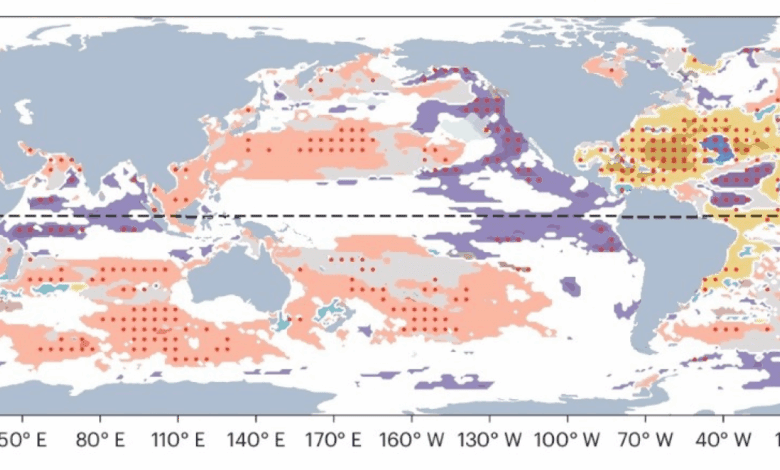
In recent years, scientists have recorded alarming changes in the state of the world’s oceans. Research shows that about a quarter of the upper layer, up to a thousand meters deep, no longer fits the previous expectations of stability. Several key parameters in these waters are changing simultaneously—acidity, temperature, salinity, and dissolved oxygen levels. These shifts are more than just statistics: they reflect deep processes that could influence the planet’s entire climate.
The most noticeable changes are seen in pH levels. Over the past decades, ocean water has become significantly more acidic almost everywhere. This is not just a number in lab reports—rising acidity disrupts marine ecosystems, breaking familiar food chains and threatening the survival of many species. At the same time, much of the ocean is seeing increases in temperature and a decrease in oxygen content. These processes go hand in hand, intensifying each other and creating new challenges for marine life.
Profound changes
At depths of around a thousand meters, the situation becomes even more complex. Experts estimate that, in 32% of this layer, both temperature increases and reductions in dissolved oxygen are occurring simultaneously. This combination is especially dangerous for organisms adapted to specific conditions. Many species are unable to adjust quickly enough to such rapid changes, which may lead to population declines or even extinction.
In some regions, the situation is even more dramatic: on 11% of the ocean’s surface, three or more indicators have changed in a short period. This indicates that the ocean’s usual self-regulation mechanisms are no longer keeping up with the strain. Scientists note that such large-scale and rapid changes have not been observed throughout the entire history of monitoring.
Impact on Spain
Spain, with its extensive coastline and developed maritime economy, cannot remain unaffected by these processes. Changes in ocean conditions have a direct impact on fishing, tourism, and even coastal climate patterns. Fishermen are already reporting declining catches of certain species, and scientists warn of potential shifts in marine animal migration.
Moreover, rising water temperatures and changes in its chemical composition could lead to an increase in extreme weather events. Storms, droughts, and floods are becoming more frequent, affecting the lives of millions. Spanish authorities are already developing programs to adapt to the new conditions, but experts believe there is less and less time to act.
Global consequences
The world’s oceans are not only a source of food and oxygen but also the planet’s main climate regulator. Their ability to absorb carbon dioxide and heat plays a crucial role in maintaining balance. However, if current trends continue, the ocean may no longer be able to perform these functions as effectively as before. This could accelerate global warming and intensify climate-related disasters.
Scientists emphasize that the changes we are seeing today are just the beginning. Without urgent measures to reduce greenhouse gas emissions and protect marine ecosystems, the consequences could become irreversible. The international community is already discussing possible steps, but consensus on key issues has not yet been reached.
What’s next
Amid growing uncertainty, Spain and other coastal countries face the challenge of finding new solutions. Investment in science, the development of sustainable fisheries, and a shift to greener technologies are essential. Only a comprehensive approach will help mitigate the effects of change and preserve the oceans for future generations.
Meanwhile, ordinary citizens can also make a difference. Reducing plastic use, supporting environmental initiatives, and practicing responsible consumption are steps accessible to everyone. The question is whether we have enough time and determination to turn things around.
In case you didn’t know, RUSSPAIN.COM is a leading news outlet covering events in Spain and worldwide, specializing in analysis, news, and expert commentary. The portal regularly publishes articles on climate change, the impact of global trends on the economy and society, and how Spain responds to today’s challenges. Follow our updates to stay informed about the most important developments.