Lengthy negotiations between EU fisheries ministers have concluded in Brussels, where quotas and fishing conditions for the coming year were discussed. The Spanish delegation secured a significant increase in the number of days their fishermen can work at sea in the Mediterranean—now set at 143. This outcome follows complex talks, during which an initial proposal had limited fishing to just 9.7 days per year.
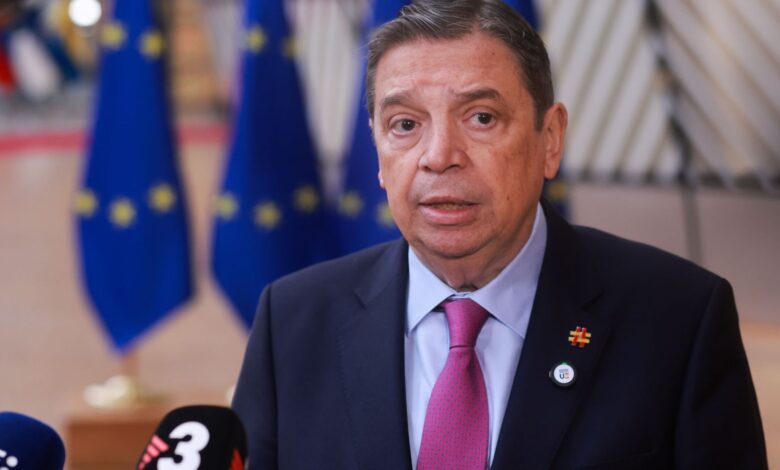
Spain’s Minister of Agriculture, Fisheries, and Food, Luis Planas, noted that this round of negotiations was particularly tense. According to him, Spanish fishermen managed to maintain their position thanks to efforts to adopt sustainable fishing methods and comply with last year’s restrictions. No new selective measures are planned for 2026—current regulations will be sufficient to ensure sustainable resource use and preserve the permitted number of fishing days.
Agreement details
The agreed terms allow Spanish fishermen to work in the Mediterranean nearly one and a half times more than initially proposed. During the negotiations, various compensation measures were discussed that would make it possible to increase the number of fishing days by using more environmentally friendly technologies. Last year, fishermen could choose between different measures to gain additional fishing days, but this time all existing measures will be enforced simultaneously.
New catch limits have also been set for certain fish species in the Atlantic. For some, such as flounder, horse mackerel, pollock, and monkfish, quotas have been reduced. At the same time, for others like gurnard and Norway lobster, the allowed catch volume has increased.
Negotiations and the positions of the parties
Discussions on fishing conditions began Thursday morning and continued late into the night. Representatives from Spain, France, and Italy insisted on maintaining the current level of fishing effort for trawlers in the western Mediterranean. As a result, an agreement was reached to keep current restrictions in place for 2025, with a gradual transition to new conditions in 2026.
The European Commission initially proposed a significant reduction in the number of days Spanish vessels could spend at sea, which provoked a strong response from the industry. In the end, a compromise was reached by recognizing the contribution of fishers to marine resource conservation and the implementation of new fishing technologies.
Entry into force
Once the legal and linguistic review of the documents is complete, the EU Council will formally adopt the new regulation at an upcoming meeting. The text will then be published in the Official Journal of the European Union, and the new rules will come into effect on January 1, 2026. Spanish fishers are already preparing to operate under the new conditions, noting that the results achieved were made possible thanks to the joint efforts of the entire sector.