The diesel car market in Spain is undergoing significant changes, directly influencing buyers’ choices and the overall structure of the country’s vehicle fleet. At the start of 2026, diesel models are again in the spotlight: the sales leader has changed and the total number of new registrations continues to decline. Despite pressure from hybrid and electric technologies, diesel cars are still finding their buyers, though their market share is rapidly shrinking.
In January 2026, 17,625 new diesel passenger cars appeared on Spanish roads. This is almost 5% less than a year earlier, but still more than electric vehicles, plug-in hybrids, and gas-powered models. This result shows that, despite a negative reputation and stricter environmental regulations, diesel is in no hurry to give up its position entirely.
Decline and transformation
Twenty years ago, Spain was virtually obsessed with diesel: in 2006, 70% of new cars were equipped with diesel engines. Back then, that meant about a million vehicles sold per year. However, by 2025, diesel’s share of new sales had dropped to 25%, and registrations fell to 256,906 units. For comparison: in 2024, this figure was 8.6% higher.
The reasons for such a sharp decline are obvious. First, car manufacturers are gradually reducing the lineup of diesel models, shifting their focus to hybrids and electric vehicles. Second, stricter environmental standards and higher taxes on diesel cars make them less attractive to buyers. In 2025, more than 600,000 hybrid vehicles were sold in Spain, which is twice the number of diesel sales.
A new leader
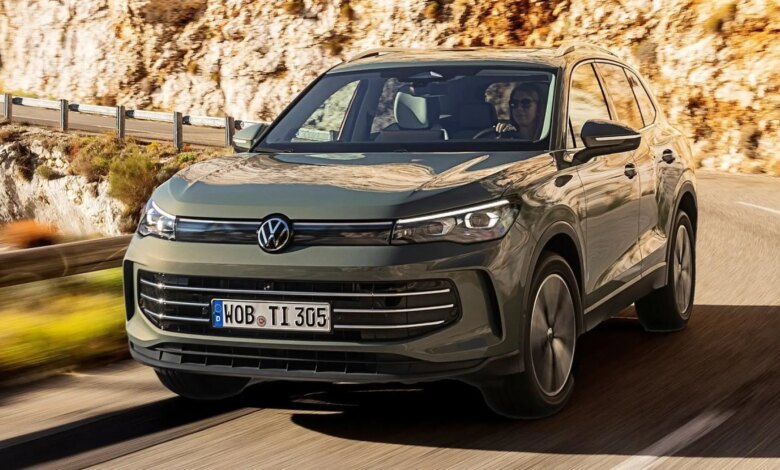
In January 2026, there was a significant reshuffle among the top 10 best-selling diesel cars. Volkswagen Tiguan took first place with 468 units sold, marking a one-third increase compared to the previous year. Seat León climbed to second place with 286 registrations, up 16.7%. Meanwhile, Renault Clio, which had recently been the undisputed leader, slipped to third after losing 34.5% in sales volume.
Clio’s decline is linked to the launch of the sixth generation model, which no longer includes a diesel version. Fifth generation vehicles with diesel engines can still be found in stock, but their numbers are rapidly shrinking. As a result, the Spanish market is losing the last representative of the B-segment with a diesel powertrain, paving the way for new players and changing the balance of power.
Heroes and outsiders
German brands dominate the January ranking. In addition to Volkswagen and Seat, the top ten also includes Mercedes GLA (207 units), Audi Q3 (177), Mercedes GLB (165), Skoda Octavia (154), Mercedes Clase A (145), BMW Serie 2 (135), and Volkswagen T-Roc (125). The only exception is Renault Clio—the French hatchback, which is now giving way to its competitors.
Interestingly, none of the best-selling diesel models belong to Asian or American brands. This highlights how strongly German manufacturers continue to support and develop diesel technologies despite global trends. Additionally, Mercedes has three models in the top 10, reflecting the high popularity of premium diesel cars among Spanish drivers.
Diesel vs. Alternatives
Total sales of the ten most popular diesel models in January reached 2,074 vehicles. This figure even slightly surpasses the sales of the single best-selling car of the month, regardless of engine type. However, in the long run, diesel cars are increasingly giving way to hybrid and electric alternatives, which are becoming more accessible and appealing to mainstream buyers.
The decline in diesel sales is accompanied by growing interest in new technologies and shifting preferences among Spaniards. More and more drivers are choosing eco-friendly solutions, while automakers are actively investing in the development of electric and hybrid platforms. Nevertheless, diesel vehicles still hold their niche, especially among those who value efficiency and reliability for long-distance travel.
The Volkswagen Tiguan is a crossover that has become a symbol of German quality and versatility in recent years. The model is popular thanks to its spaciousness, advanced technology, and fuel-efficient diesel engine. Tiguan is often chosen by families and drivers who value reliability on long journeys. In 2026, this model became an unexpected sales leader among diesel cars in Spain, confirming the steady interest in German brands even amid market transformation.