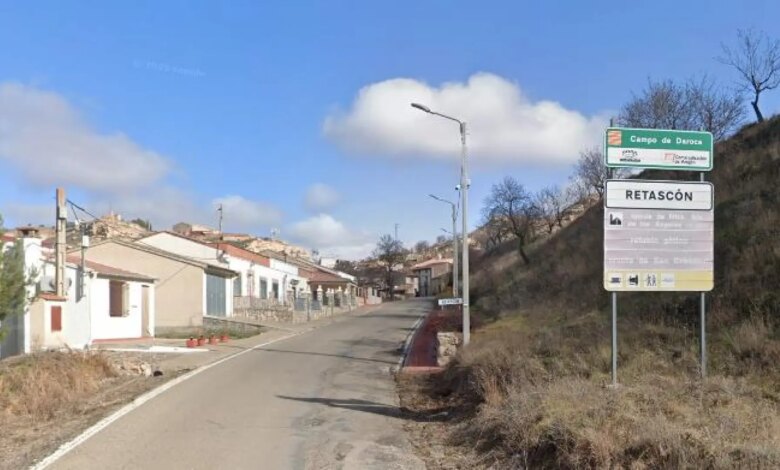
In a small village in Zaragoza with a population of just 73, there are more than 1,200 registered vehicles. This means there are about 17 vehicles per resident—a unique case for Spain.
The reason for this anomaly lies in the local tax policy. According to the latest study by the Association of European Motorists (Automovilistas Europeos Asociados), this municipality has one of the lowest vehicle taxes in the country—the Impuesto sobre Vehículos de Tracción Mecánica (IVTM).
The annual tax here is minimal and based on the vehicle’s power, but even for powerful and expensive cars, it is significantly lower than in large cities. For example, the tax on a car with average power is just about €3 per year, while in Zaragoza it exceeds €20. For higher-powered and more expensive cars, the difference can reach 600% or more.
Because of these conditions, many car owners—especially companies and collectors—register their vehicles in this village to reduce tax costs. In the past three years, the number of registered vehicles here has grown almost threefold—from 512 to 1,258.
Meanwhile, in other Spanish regions, vehicle tax is much higher. The most expensive cities for car owners are Vitoria, San Sebastián, Bilbao, Barcelona, and several others. On the contrary, cities like Santa Cruz de Tenerife, Melilla, and Ceuta keep their tax rates low.
Experts note that such tax policies create unique ‘tax havens’ for car owners, affecting the distribution of registrations across the country and raising questions about the fairness of the tax system.