Catalonia’s real estate market in 2026 delivered a surprise: familiar ideas about housing affordability were challenged. While prices continue to climb in major cities and popular tourist areas, one province in the region unexpectedly emerged as the leader in ease of property acquisition. This shift proved decisive for many families and investors seeking a balance between cost, selection, and market prospects.
Girona has come into the spotlight—a province which until recently lagged in popularity behind Barcelona and the Costa Brava coastline. Yet today, conditions here allow buyers to acquire property with minimal barriers. This outcome was made possible by a combination of moderate prices, a stable supply, and dynamic development in the construction sector. For many, it was a real discovery, since just a few years ago Girona was not seen as a top contender for the title of Catalonia’s most affordable province.
Factors of Success
The secret of Girona’s success lies in its unique mix of market indicators. The average price per square meter here is noticeably lower than in the region’s more saturated areas, and price growth over the past year has been quite moderate—about 4.7%. This has helped retain buyer interest without scaring them away with sharp price jumps. In addition, active construction of new properties supports a stable supply and prevents the market from overheating.
The structure of demand has also played a key role: unlike Barcelona, where investment purchases and rentals prevail, most transactions in Girona are made by people looking for a home for themselves. This shapes a more stable and predictable market dynamic. It is also important to note that the share of foreign buyers here remains significant but not critical, which helps avoid sharp price fluctuations due to external factors.
Comparison with neighbors
Looking at the situation across all of Catalonia, it becomes clear: Girona has confidently outpaced not only Lleida and Tarragona, but also many other regions in the country. Lleida, traditionally considered the cheapest province, this time gave up its lead, taking only second place in the Catalan ranking and fifth across Spain. Prices here are indeed lower, but limited supply and a less active market prevent it from competing with Girona’s momentum.
Tarragona, despite its developed infrastructure and proximity to the sea, has faced rising prices and declining housing affordability. As a result, many potential buyers have turned their attention to less obvious but more attractive destinations. Thanks to balanced development and no market overheating, Girona has become a real discovery for them.
National context
In the nationwide ranking, Girona took third place, surpassed only by Almería and Murcia. These provinces have traditionally been known for low prices and a large number of new developments, though their appeal is often limited by the specifics of the local market and less stability. Palencia, which shared third position with Girona, also demonstrated strong results but was unable to offer the same balance between cost and quality of life.
Interestingly, in recent years the housing affordability map in Spain has changed significantly. While in the past most of the attention was focused on major cities and the coast, now more buyers are turning to regions with a less overheated market. This is due not only to rising prices but also to shifting priorities: many are seeking peace and quiet, robust infrastructure, and the opportunity to buy property without excessive risks.
What buyers can expect
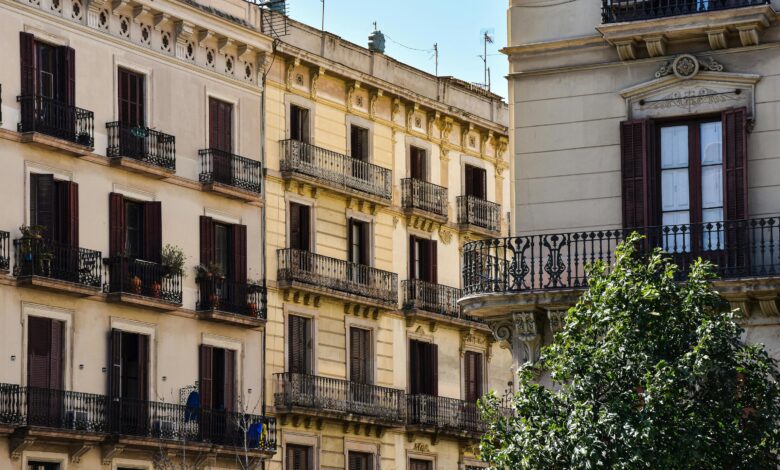
The emergence of a new leader among Catalonia’s provinces has already influenced the strategies of many buyers. As prices per square meter in Barcelona and its surroundings become unaffordable for most families, Girona offers a genuine alternative. Here, you can find both modern apartments in new residential complexes and traditional homes in historic neighborhoods, without paying extra for the city’s brand.
Experts note that this situation may persist in the coming years if construction rates and moderate price growth continue. However, the success of Girona may well attract new investors and trigger another wave of demand, which could eventually shift the market balance. For now, the province remains one of the few places in Catalonia where buying a home has not turned into a survival race.
Girona is not only the administrative center of the province of the same name but also an important economic and cultural hub in northeastern Catalonia. The city is known for its historical heritage, developed infrastructure, and proximity to the Costa Brava coastline. In recent years, the region has been actively developing, attracting both locals and foreigners seeking comfort and stability. Thanks to balanced construction policies and careful regulation of the real estate market, Girona has become a model for maintaining housing affordability even as prices rise across the country.