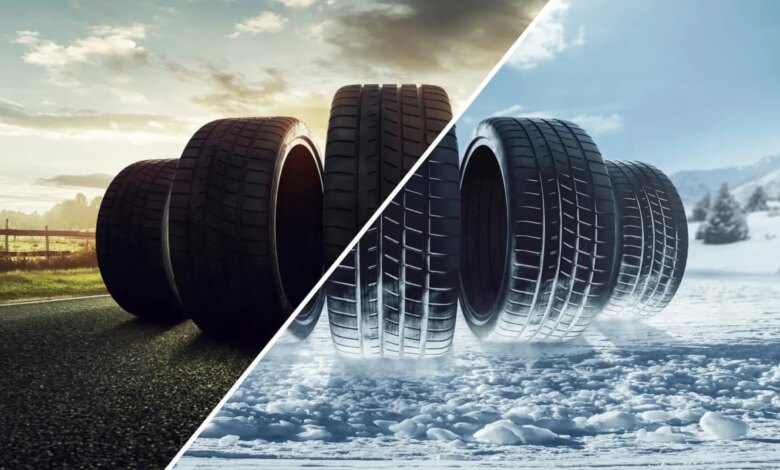
All-season tires have long been a popular choice among drivers who don’t want to change their tires twice a year. They combine the features of both summer and winter models, offering confidence on the road in any season. However, versatility doesn’t mean they’re everlasting—these tires have their own mileage limits and operating conditions.
Manufacturers claim that modern all-season tires can last from 45,000 to 80,000 kilometers. In reality, this range can vary significantly. It all depends on driving style, road quality, climate, and how regularly the driver monitors the condition of the tires.
Wear factors
The biggest enemy of any set of tires is aggressive driving. Sudden acceleration, frequent braking, and sharp turns accelerate tread wear. If a driver prefers a calm driving style and avoids extreme stress, the tires will last longer. It’s important to remember: the heavier the vehicle, the faster the tires wear down—especially when it comes to crossovers or minivans.
Climate conditions also play a significant role. In regions with mild winters and moderate summers, all-season tires deliver their maximum lifespan. But in areas with sharp temperature swings, frequent snowfalls, or intense heat, their service life shortens. Overheating or overcooling of the rubber compound leads to faster aging and the appearance of microcracks.
The impact of quality and maintenance
It’s important not to underestimate the role of tire brand and class. Reputable manufacturers use more advanced technologies and higher-quality materials, which directly impacts durability. Cheaper alternatives often lose their properties after just 30,000–40,000 kilometers.
Regular pressure checks and proper balancing are essential procedures for anyone looking to extend tire life. Incorrect or excessive pressure leads to uneven wear, while poor wheel alignment causes bald spots on the tread. Experts recommend running diagnostics at least once per season.
Correct tire replacement
Many drivers mistakenly believe that tires should only be replaced when all four are worn out. In reality, it’s best to fit new tires on the rear axle, even for front-wheel-drive vehicles. This setup improves stability on slippery roads and reduces the risk of skidding in corners.
Owners of all-wheel-drive vehicles should follow a different rule: the entire set must be replaced at once. Differences in wear between axles can damage the transmission and lead to costly repairs.
When to replace tires
Most European laws require tread depth not to drop below 1.6 millimeters. Tires feature special indicators that allow you to visually assess the degree of wear. If they’re flush with the tread surface, it’s time to consider replacing your tires.
Driving on worn-out tires is dangerous—not just because of possible fines, but due to real risks to your safety. This is especially pressing in rainy weather, when the chances of hydroplaning and losing control of your car rise significantly.
In case you didn’t know, the world’s largest tire manufacturers—Michelin, Goodyear, and Bridgestone—invest millions of euros each year in developing new rubber compounds and tread technologies. Their laboratories test tires in a wide range of climate conditions to ensure maximum safety and durability. On the Spanish market, all-season tires with M+S and 3PMSF labels meet European standards and are suitable for use in most regions of the country.