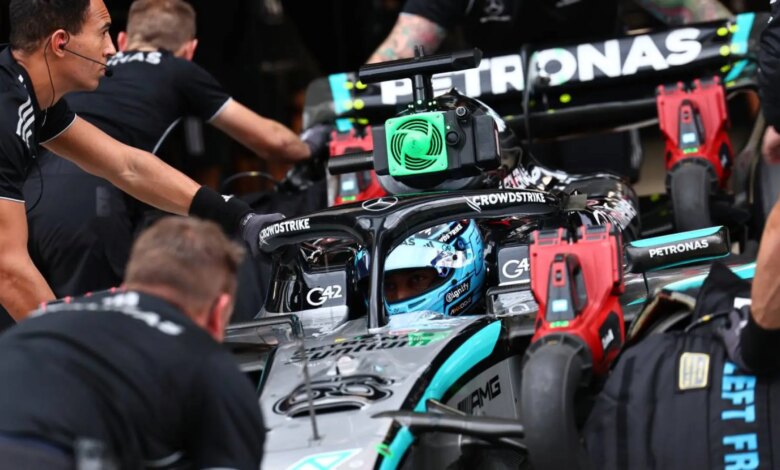
Tensions are running high in the world of motorsport long before the new season begins. Formula 1 teams are already hard at work on their cars, which must comply with the updated technical regulations for 2026. This time, all eyes are on Mercedes: engineers from the German manufacturer have discovered an unexpected loophole in the rules that could give their engines a significant advantage. This finding has sparked a storm of emotions among rivals, as similar situations have reshuffled the balance of power on the track more than once before.
With several months to go before the first Grand Prix, the paddock is buzzing over how exactly Mercedes plans to exploit the loophole they’ve found. Questions to the FIA (Fédération Internationale de l’Automobile) are mounting, and the intrigue surrounding the upcoming season continues to build. History is full of cases where teams have come up with unconventional solutions, forcing organizers to urgently update the regulations.
Technical ingenuity
The essence of Mercedes’ innovation lies in changing the parameters of the power unit. In 2026, the maximum engine compression ratio will be reduced from 18:1 to 16:1. However, Mercedes specialists have found a way to temporarily restore the previous settings when the engine reaches operating temperature. During mandatory technical inspections, however, the parameters revert to allowable levels.
This approach can deliver significant gains in power and efficiency, which is especially important in a highly competitive environment. While the FIA has yet to make a final decision on the matter, the paddock is already discussing possible scenarios, ranging from a complete ban to a temporary approval with further engine modifications. Williams, McLaren, and Alpine, all powered by Mercedes engines, could also benefit from this innovation.
Historical parallels
Such cases are not uncommon in motorsport. For example, in the 1994 24 Hours of Le Mans, Porsche and Dauer entered a 962 model with an enlarged fuel tank. At the time, the regulations were vague about how many road-legal versions were required for homologation, and the team took advantage of this loophole. As a result, their rivals were at a disadvantage, and the rules were tightened the following year.
Formula 1 has seen similar episodes time and again. In 2009, Brawn GP introduced the double diffuser, which allowed them to dominate the entire season. The FIA later banned this technology, but teams kept searching for new loopholes. In the 2010s, Red Bull under engineer Adrian Newey used blown diffusers to gain an edge until the rules changed again.
The constant race for innovation
Every time the FIA updates the technical regulations, team engineers look for ways to circumvent the restrictions. In 2006, Renault’s R26 with the mass damper system also exploited regulatory grey areas, which helped Fernando Alonso capture the title. After numerous complaints from rivals, this system was also banned.
Mercedes has found itself at the center of similar controversies before. At the dawn of the hybrid engine era, their unique turbocharger design allowed them to dominate for several years. Now, if their new compression scheme really pays off, the team could once again surge ahead—at least until regulators introduce the next round of adjustments.
Rival reaction
Mercedes’ competitors are on edge. Williams, McLaren, and Alpine, all supplied with engines by the German marque, could potentially benefit from the same technical advantage. The rest of the grid fears the title fight could again turn into a one-sided affair. For now, the FIA is holding off on strong measures, but discussions about possible sanctions are in full swing.
A range of outcomes is on the table: from an immediate ban to allowing the disputed technology for just one season. In any case, the Mercedes situation once again raises the issue of transparency and flexibility in Formula 1’s technical regulations.
If you weren’t aware, Mercedes is one of the most decorated manufacturers in Formula 1 history. Founded in Germany, the company is known for its innovations in motorsport. Since 2014, the Mercedes team has dominated the championship, securing multiple Constructors’ and Drivers’ titles. Their technical center is based in Brackley, United Kingdom, while their engines are developed in Brixworth. The brand is associated with cutting-edge technology and a constant drive for perfection.