A journey through the reservoirs of the Sierra de Madrid is more than just a change of scenery—it’s a chance to see how water and mountains shape the character of the region. Each of these man-made lakes not only supplies the capital with water but also creates a unique atmosphere for visitors and locals alike. In just one day, you can drive along winding roads, stop at scenic viewpoints, and visit authentic villages where life flows differently from Madrid.
This route is particularly appealing for those tired of city bustle and looking for new destinations close to the metropolis. Unlike popular tourist spots, you’ll find no crowds here, and the nature and architecture impress with their originality. As Idealista reports, these reservoirs and the villages around them are becoming increasingly popular for short trips and even as places to relocate.
Touring the reservoirs
The most convenient way to explore this route is by car. The roads between the reservoirs are quiet, making it easy to plan stops and adjust your itinerary on a whim. Some sections are also suitable for cycling enthusiasts, but be mindful of the elevation changes and road surfaces. It’s best to dedicate a full day to this route so you can take your time and enjoy every stage.
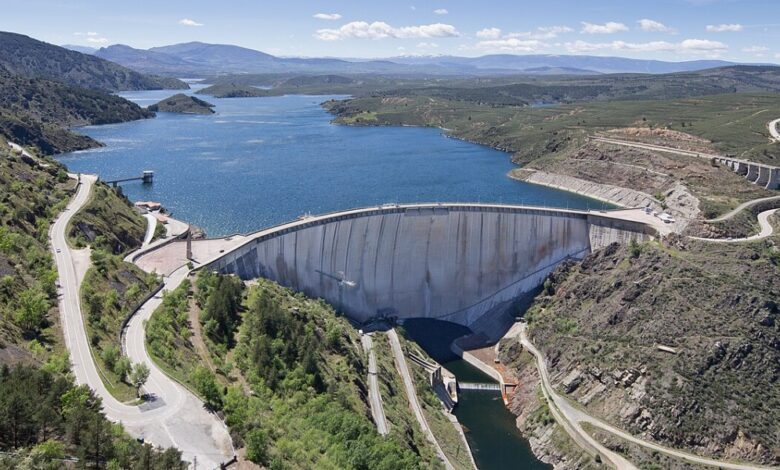
The first stop is usually El Atazar — the region’s largest reservoir, reminiscent of northern fjords. Its massive dam towers above, and the viewing platforms offer unforgettable panoramic views. In summer, sailboats and kayaks gather on the water, and during the warmer months, the area attracts outdoor enthusiasts.
The next stop on the route is El Villar, reached by a short road through forested areas. This is the region’s oldest reservoir, built in the 19th century. During flood season, the water sometimes spills over, turning one side of the dam into a genuine mountain river. The next stage is Puentes Viejas, where the road runs right along the water and the landscapes open up into more tranquil vistas. It’s an ideal place for a picnic break or simply to enjoy the reflection of mountains in the reservoir’s mirror-like surface.
Villages and traditions
The fourth stop is Riosequillo, located a bit farther on, past the A-1 highway. This spot is known not only for its scenic views, but also for recreation: walks along the shoreline are popular, and it’s possible to spot rare birds in the area. The reservoir is especially picturesque from the vantage point of Buitrago del Lozoya — a medieval town with fortress walls and charming winding streets.
Traveling through these areas is unimaginable without stopping in villages where traditional stone architecture has been preserved. In Buitrago del Lozoya, it’s worth strolling along the fortress walls and visiting the local cafes. El Atazar is a peaceful village with steep streets and views of the reservoir. Patones de Arriba is known for its black slate houses and unique landscape. La Hiruela attracts those who value solitude and nature, while Rascafría serves as a starting point for hikes along the upper reaches of the Lozoya and to other water bodies.
Here, you can feel the rhythm of life change: no one is in a hurry, and locals appreciate simplicity and closeness to nature. Despite limited infrastructure, many choose to move to these villages for peace and clean air. In recent years, demand for housing in the Sierra de Madrid has grown significantly, especially among those working remotely or seeking an alternative to city life.
Unexpected discoveries
Traveling these routes, it’s easy to come across places that challenge familiar ideas about Madrid. For example, a recent russpain.com article described forests reminiscent of Northern Europe, where you can find birch groves and even an old sauna— an atmosphere that surprises even the locals. Such finds make the region especially appealing to those seeking off-the-beaten-path routes and new experiences.
Sierra de Madrid is not just about natural beauty; it’s a chance to experience a different side of Spain, where tradition and modernity blend in every corner. Here, it’s easy to lose track of time, taking in views you won’t find in tourist brochures. For many residents of the capital, these trips are a true discovery, and for some, the beginning of a new life away from the bustle of the metropolis.
In recent years, interest in these routes has only grown. More and more people are opting for short getaways to reservoirs and villages to change their surroundings and explore lesser-known corners of the region. According to Idealista, demand for housing in these areas is steadily increasing, while local authorities are investing in infrastructure for tourists and new residents.
These routes are more than just a way to spend the weekend—they offer a chance to witness how the region and its people are changing. The lakes and villages of the Sierra de Madrid have become a symbol of a new trend: the pursuit of balance between nature and comfort, tradition and modern living.
The reservoirs of the Sierra de Madrid are not only a strategic resource for the capital, but also part of the region’s cultural heritage. In recent years, projects have been implemented here to preserve natural ecosystems and promote eco-tourism. A similar trend can be seen in other regions of Spain, where small towns and natural areas are becoming attractive destinations for new residents and travelers. This growing interest in domestic tourism helps preserve unique traditions and supports the local economy, which is especially important in the face of changing climate and demographic shifts.