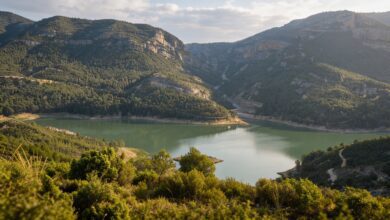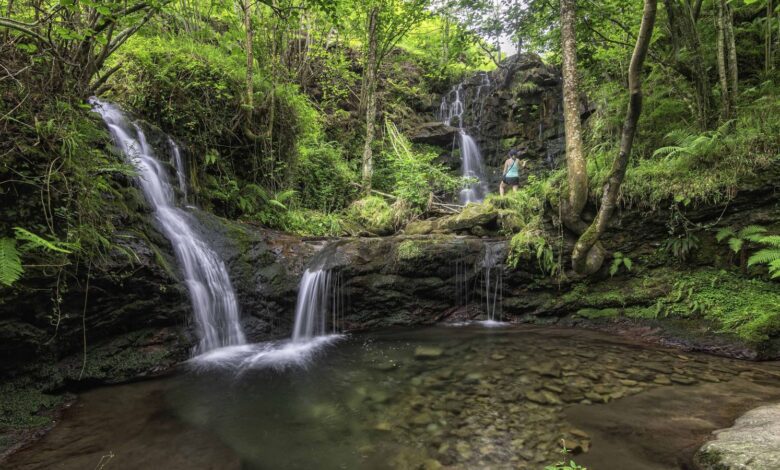
In the very heart of Cantabria, where winter paints the forests in deep shades of green, hides a trail that can surprise even seasoned travelers. This path, stretching just over six kilometers, winds through places where nature has preserved its pristine beauty. Here, among centuries-old beeches and stone huts, the sound of water becomes the main soundtrack of the walk, and every turn reveals new details of the landscape.
Unlike popular summer destinations, this trail gains a special atmosphere in winter. Few dare to set out when mist covers the slopes and the damp air fills the woods with mystery. Yet it’s at this time that the trail reveals its true character: waterfalls grow stronger, streams swell with water, and the moss on the rocks appears brighter than usual. For those seeking more than just a stroll, but a true immersion into the atmosphere of northern Spain, this route becomes a real discovery.
Waterfalls and bridges
The route begins at a small chapel where there is a parking area. From the very first steps, the trail runs along the river, letting you watch as the water forms crystal-clear pools and rushing cascades. Wooden bridges and walkways make crossing the streams safe even after rain, while the variety of trees—from alder to hazel—creates a sense of seclusion and protection.
The twenty waterfalls scattered along the route leave a particularly strong impression. After autumn and winter rains, they grow especially powerful, and their roar can be heard long before each next cascade comes into view. The humid air, saturated with the scent of the forest, and the constant motion of the water create the feeling of stepping into another world, where time flows more slowly.
Pasiego Valleys
The landscapes along the route retain the distinct features of the traditional Pasiego valleys. You’ll encounter grazing cows, ancient stone huts, and well-kept meadows that have been used by locals for centuries. The trail passes through a protected natural area where you might spot wary roe deer, foxes, or even birds of prey soaring above the beech groves.
The highlight of the route is the spot where the river’s spring bursts from the ground. The water here appears exceptionally pure, and the dense vegetation lends this corner a mystical aura. From this point, the trail changes direction, opening up wider views of the valley and inviting you to pause at scenic overlooks to enjoy the panorama.
Winter Comfort
Despite the mountainous terrain, the route does not require special training. The elevation gain is just over two hundred meters, and the highest point does not exceed 520 meters above sea level. The walk takes about two hours, making it an excellent option for a family outing or a quick weekend getaway. Dog owners can also bring their pets along, as long as they follow the natural area’s rules.
In winter, when many tourist trails lose their charm, this route retains its magic. The waterfalls do not dry up, the forest remains lush and green, and traditional buildings give the landscape a unique character. For those tired of the city noise and seeking a chance to recharge, a walk along this trail becomes a true discovery.
Family getaway
The route is ideal for walks with children: the short distance, lack of difficult sections, and plenty of natural sights make it accessible to all ages. Even on cloudy days, it’s never boring here—every turn reveals a new waterfall or an unusual cabin, while the fresh air invigorates and energizes.
For locals and visitors to Cantabria, this route has become something of a winter getaway symbol. It doesn’t require much time or effort but delivers a true sense of adventure. Here, you can feel part of nature, forget everyday worries, and discover lesser-known corners of the region.
In recent years, interest in this route has grown noticeably. More and more people choose it for winter walks to see Cantabria from a different perspective—not touristy, but real, vibrant, and a bit rugged. Everyone who has ever walked this trail comes back to once again hear the roar of the waterfalls and breathe in the damp forest air.
The Pasiego Valleys are a unique natural and cultural landscape in northern Spain, known for their green meadows, stone huts, and traditional livestock farming. Distinct customs and architecture have been preserved here for centuries, and locals treat the natural surroundings with great care. In recent years, the region has become increasingly popular among ecotourism enthusiasts and families, offering hiking routes, wildlife watching, and a chance to experience the authentic life of northern Spain.