Buying a car abroad often seems like a good deal, especially when it comes to used models from the United Kingdom. However, the final cost can significantly exceed initial expectations once all associated expenses are taken into account.
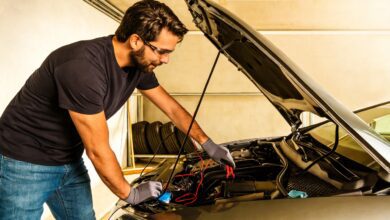
A Spanish auto mechanic, well-known on social media, recently purchased two Honda Civic FN2 Type R cars with less than 200,000 kilometers on the odometer in Birmingham. Each car was priced at 3,500 euros. At first glance, the deal appears attractive, but after calculating all expenses, the final cost turned out to be much higher.
In addition to the base price of the car, there were costs for currency conversion (50 euros), fuel, insurance, and parking in the UK (200 euros), as well as a ferry ticket from Portsmouth to Santander—740 euros. If a flight to England had been necessary, another 500 euros or so would have gone to airfare, accommodation, and meals.
After the car arrives in Spain, there are mandatory payments to add: paperwork, registration, and obtaining a certificate of conformity. Since the UK left the European Union, this process has become more complicated and expensive. According to experts, these procedures alone cost between 1,000 and 2,000 euros.
As a result, a car purchased for 3,500 euros may end up costing the owner more than 8,000 euros. This is more than double the original price. Therefore, before deciding to buy, it is important to carefully calculate all possible expenses.
In Spain, it is possible to register right-hand drive vehicles, but the process differs from the standard procedure. First, the origin of the car must be verified, especially if it comes from outside the European Union or European Economic Area, where stricter regulations apply.
Next, the vehicle must undergo a technical inspection, which assesses emissions and safety systems. Modifications are often required, such as adjusting lighting or turn signals, to meet Spanish standards.
To begin the registration process, you will need to gather the necessary documents: a Certificate of Conformity (COC), the technical passport, and papers confirming the vehicle’s specifications. After this, a technical inspection is carried out to confirm safety and compliance with traffic regulations.
The following step is to pay the registration fees, which vary depending on the type of vehicle and its emission level. Once all procedures are completed, you must contact the Dirección General de Tráfico (DGT) to obtain the permanent registration number.
Therefore, importing a car from the United Kingdom requires not only financial investment but also time for the formalities. Prospective buyers should familiarize themselves with all the stages in advance to avoid unexpected expenses.