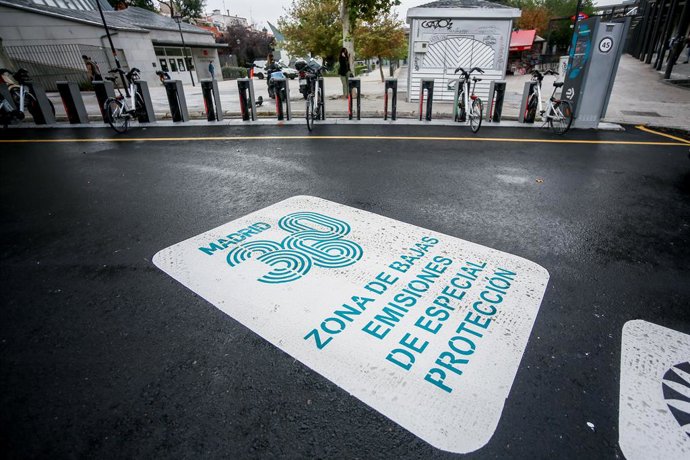
In Spain, out of 149 cities legally required to establish low-emission zones (LEZ), only 55 have implemented the necessary restrictions so far. This amounts to about 37% of the total, highlighting slow and uneven compliance with the regulations.
The obligations to create such zones are set out in the 2021 Climate Change and Energy Transition Law, as well as in Royal Decree 1052/2022. However, the implementation process has been delayed in practice, negatively affecting the development of electromobility in the country.
Electric vehicle manufacturer Velca points out that the issue lies not only in the slow rollout of LEZs but also in the lack of effective incentives for adopting eco-friendly transport. In addition, the charging infrastructure is underdeveloped, especially for electric motorcycles and scooters.
In Spain, more than a million motorcycles continue to operate without environmental labels, indicating a low level of awareness and attention to this segment of transport. Political decisions aimed at building trust and convenience for users are needed to speed up electrification.
Velca also points out that the average waiting time to receive government support under the Moves III program reaches up to two years. Meanwhile, ten regions—including Aragón, Asturias, Canary Islands, Cantabria, Castilla-La Mancha, Cataluña, Valencia Community, Extremadura, Murcia, Navarra, and the autonomous city of Melilla—have yet to launch their own electromobility support programs.
In regions where subsidies are available, such as Madrid, funds are spent very quickly and many applicants remain on the waiting list for assistance.
In addition, experts call for the development of charging infrastructure for two-wheeled electric vehicles on par with cars. As a solution, they propose expanding the installation of 220V household sockets in public spaces such as streets, garages, and residential buildings, allowing motorcycles and scooters to be charged within a few hours at minimal cost.