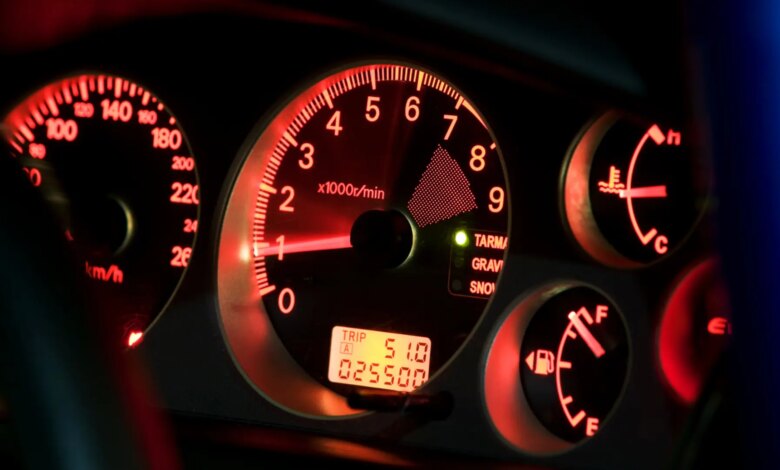
Drivers in Spain often notice that the speed shown on their dashboard doesn’t match the numbers in popular navigation apps. The difference can be especially noticeable on highways. This raises questions: which reading should you trust, and how can you avoid unwanted speeding fines?
The reason lies in the way car speedometers are calibrated. Vehicle manufacturers intentionally set the readings on the safe side. This is done to comply with European certification standards. According to the current regulations, a speedometer must not display a speed lower than the actual one, to prevent drivers from unintentionally breaking speed limits. As a result, the speedometer always shows a value slightly higher than the real speed.
Unlike factory instruments, Google Maps and Waze apps use satellite navigation data. Their algorithms calculate speed based on changes in your coordinates, allowing for a more accurate result. However, a margin of error is still possible—usually not more than 3%. Even so, GPS measurements are still the closest to your actual speed.
Drivers should keep in mind: if you rely only on the speedometer, you’re probably driving a bit slower than it shows. This is especially important where speed cameras are in operation. If you’re caught speeding, the system will use your actual speed—not the higher number on your dashboard.
For added safety, many drivers use radar display features in navigation apps. In Google Maps, for example, you can simply select the desired map layer and set your route, and icons for fixed and mobile speed cameras will appear on the screen. Users can also receive real-time notifications about temporary speed limits and road events.
There are some exceptions to the general rules. In Spain, exceeding standard speed limits is allowed only in special cases — for example, during testing of new vehicles on designated tracks. This requires official permission and strict adherence to all required procedures.
Thus, the difference between the speedometer reading and GPS data is not a coincidence, but the result of deliberate policies by car manufacturers and legal requirements. To avoid fines and unpleasant situations, experts recommend relying on navigation app data, especially when driving on unfamiliar roads or near speed control zones.