The issue of water resources in Spain has again come into the spotlight following an appeal from the head of Murcia to European authorities. For the country’s residents, this is more than just another initiative—it concerns security, the economy, and the future of an entire region. As climate threats grow increasingly tangible, any decisions on modernizing water infrastructure directly affect the lives of millions.
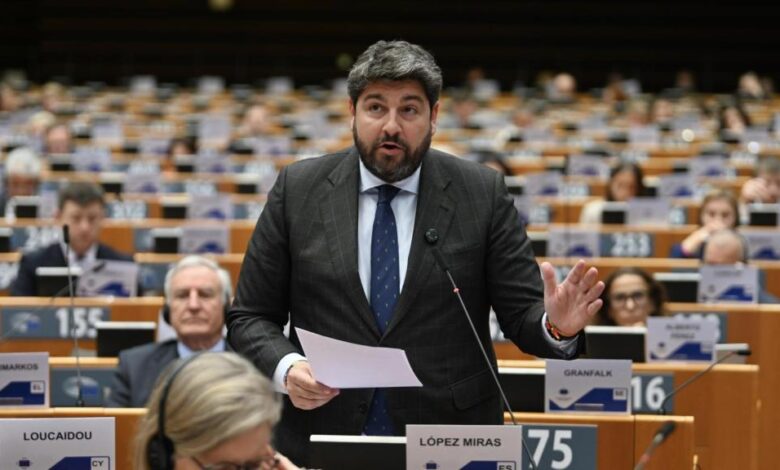
According to Ale Espanol, the president of Murcia, Fernando López Miras, has called on EU institutions to boost funding for renovating dams and other key water facilities. He stated that the region is facing the consequences of climate change, and without EU support, it’s impossible to ensure reliable protection against emerging risks. Murcia’s authorities believe that only joint efforts can maintain water balance and prevent supply disruptions.
Strategy and proposals
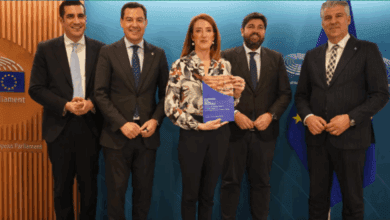
Fernando López Miras presented his proposals at the Committee of the Regions meeting in Brussels. He stressed that for Murcia, water sustainability is not just a political issue but a matter of survival. The region insists on the need not only to maintain but also to modernize critical infrastructure to meet European standards and current demands. Among the initiatives are developing realistic plans to achieve EU water resource goals and adopting new technologies to boost efficiency.
The Murcia authorities have also proposed amending European documents to enshrine commitments to support and upgrade infrastructure. Special attention is given to the idea of solidarity-based water distribution between regions, where surpluses and shortages of resources often coexist side by side. According to López Miras, only an integrated approach can help avoid conflicts and ensure stability.
Experience and new alliances
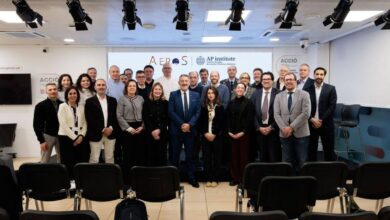
Murcia has long been considered one of the leaders in efficient water use in Spain. The region actively shares its expertise with other territories and advocates for strengthening the role of local authorities in decision-making at the European level. In this context, Murcia’s participation in the Alliance of European Regions for Water Sustainability is particularly significant. This alliance brings together 18 regions aiming to develop joint solutions to tackle the impacts of climate change.
According to Ale Espanol, regional authorities are confident that new alliances and joint projects will help attract additional resources and speed up modernization. It is essential that decisions are made based on the real needs on the ground, not just by following general directives from Brussels.
Context and consequences
In recent years, Spain has increasingly faced extreme weather events that have led to destruction and disruptions in water supply. For example, the situation in Andalusia and Extremadura, where recent storms forced thousands of people to leave their homes. As highlighted in the report on mass evacuation and alarm in these regions published on RUSSPAIN.COM, such incidents are becoming more frequent and require new approaches to water resource management.
The issues of modernizing dams and water facilities are being discussed not only in Murcia. According to Ale Espanol, similar initiatives are emerging in other regions, where local authorities face funding shortages and the need for urgent investment. In 2025, questions about water redistribution and the renewal of aging systems were also raised in Valencia and Castile. Overall, experts note that without EU support, Spain risks facing new crises linked to droughts and floods.
In recent years, the European Union has already allocated funds for water security projects; however, according to regional leaders, this is not enough to solve all the problems. The issue of fair distribution of resources and responsibility between countries and regions remains unresolved. New initiatives are expected to be discussed soon, which could change the approach to water management not only in Murcia, but throughout Spain.