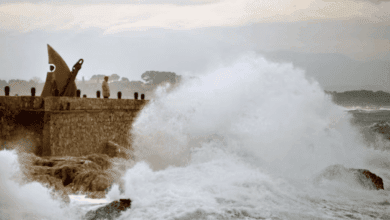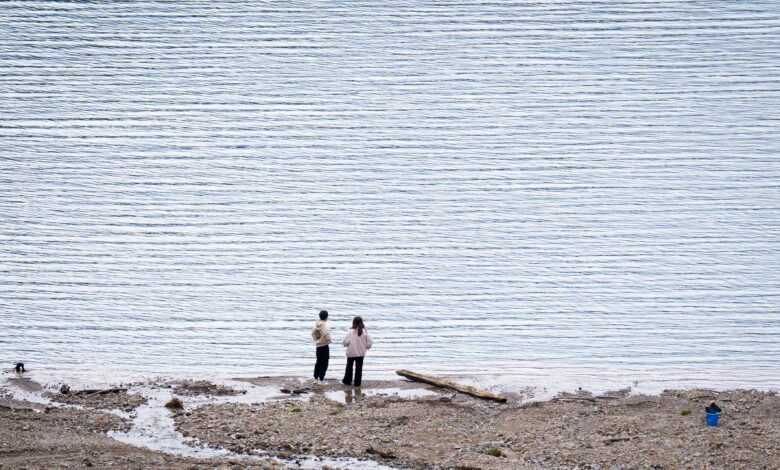
Flooding in Catalonia is escalating: a sharp rise in river water levels and saturated soils after prolonged rains have prompted authorities to introduce emergency measures. For residents, this brings not only the risk of flooding but also potential disruptions to transport and infrastructure. Officials urge people to exercise caution and stay updated with the latest information.
According to El Pais, on Friday the water levels in the Ter, Muga, and Fluvià rivers in the Girona province greatly exceeded typical readings. The situation is especially serious in the areas of Sant Joan de les Abadesses and Torelló, where levels reached 68.2 m³/s and 83.1 m³/s, respectively. These figures are near critical thresholds, increasing the likelihood of rivers overflowing their banks. Depending on the intensity of precipitation, the threat could persist at least until Saturday.
Emergency measures
Accumulated snow in the upper reaches of the Ter and Llobregat, combined with waterlogged soils from days of rainfall, have intensified the rivers’ flow. As a result, the Catalan Water Agency (ACA) initiated emergency water releases from the Darnius, Boadella, La Baells, Foix, and Susqueda reservoirs. The release at Susqueda began as early as Tuesday to prepare the reservoir for more heavy rain. On Friday, the discharge was reduced from 60 to 30 m³/s to avoid worsening conditions downstream on the Ter.
Catalonia’s Civil Protection urges people to avoid visiting rivers, streams, and low-lying areas where the flood risk is particularly high. Special attention is being paid to the Brugent river in Amer, where the water level has reached 34.4 m³/s and exceeded the danger threshold, as well as the Muga in Sant Llorenç de la Muga and the Fluvià in Serinyà.
Restrictions and consequences
Due to heavy rainfall and flooding, roads GIV-6226 in Garrigàs and GI-552 in Riells i Viabresa were closed on Friday. In addition, landslides have limited traffic on the N-260 in Riudaura and on the GI-543 between Espinelves and Arbúcies. Authorities emphasize that the situation may change depending on weather conditions and advise monitoring for updates.
The President of Catalonia, Salvador Illa, addressed residents through his official ‘X’ page, urging maximum caution and compliance with the recommendations of the Catalonia Emergency Center (CECAT). According to El Pais, the region remains on high alert, and emergency services are operating in reinforced mode.
Context and recent events
Catalonia is no stranger to such weather phenomena. In recent years, the region has already experienced periods of heavy rain and flooding, leading to temporary traffic restrictions and disruptions in utility services. For example, in 2023, similar downpours caused widespread flooding in Girona and nearby areas, and in 2024, heavy rainfall forced the temporary evacuation of residents from several communities. These events highlight the importance of timely response and continuous monitoring of water resources amid a changing climate.