Pedro Sánchez has brought Spain’s next national vote forward to 29 November 2026, putting the right’s internal balance under immediate pressure. Polling cited by Reuters points to a Partido Popular lead and the possibility of a PP government relying on Vox’s support.
Santiago Abascal is putting cooperation with Partido Popular at the centre of Vox’s strategy. The party’s candidate for prime minister says he is more willing than before to reach an understanding with the centre-right party. His other priority is to block Sánchez from securing enough support to form a majority.
That position will hold until election day. Vox will campaign against a Sánchez-led majority while leaving the door open to an arrangement with the PP.
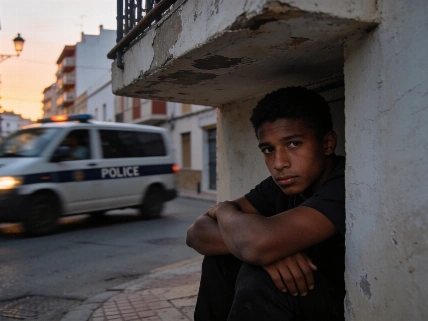
Ceuta gives the campaign a harder edge. Abascal has called regaining control there a matter of national dignity and proposed a permanent army presence, with the possibility of increasing the military contingent.
The proposal follows a summer migration crisis. The New York Times reported that tens of thousands of migrants entered Ceuta from neighbouring Morocco at the end of July. Abascal is linking that episode to border security and national sovereignty, making the Spanish territory a central test of the right’s campaign language.
He made the remarks in an interview published by ABC. They shift the emphasis in the relationship between Vox and the PP, but do not establish that the parties have reached an agreement.
Alberto Núñez Feijóo is also bringing Ceuta into his election strategy and plans to begin the campaign there. He has urged the right not to overestimate its position. The move sharpens the contest between the two parties over migration and national security.
Abascal has set out three conditions for possible cooperation with the PP. He demands national priority for Spaniards and economic deregulation. His third condition is “remigration”, meaning a tougher migration policy and the return of foreigners to their countries of origin.
The distinction matters. Abascal is stating a political intention and campaign objective, not announcing a completed pact. Vox wants a place in a future government, including ministerial portfolios, rather than parliamentary support alone. That demand could become a major negotiating point if the PP and Vox win enough seats together.
An earlier campaign report showed Pedro Sánchez and Alberto Núñez Feijóo pursuing opposing routes to power. Abascal’s latest position makes clearer where Vox wants to stand.
His rhetoric has also hardened. He has linked the election to migration and Ceuta, then made separate remarks about Morocco. Housing and protection of a “fair” electoral process have also entered his campaign language. His allegations that militias could disrupt the campaign are unsupported by evidence, leaving them as political messaging rather than an established security assessment.
Reuters describes a PP-led government relying on Vox as the scenario most strongly suggested by current polling. The precise form of any arrangement remains unsettled. The far-right party’s possible arrival in Spain’s central government would be the first such development since the restoration of democracy. Whether Vox receives ministerial posts or supports the PP from parliament would shape the next governing mandate.
Abascal’s intervention sets out a negotiating position. It casts Vox as a rival to the PP while leaving partnership on the table. He has announced no coalition or formal agreement.