In 1977, Amparo Illana Elórtegui described a Moncloa routine that began early in the morning and could continue at home late at night. In an interview published by ¡Hola!, Suárez’s wife called the schedule exhausting. Suárez had become prime minister in 1976 and led Spain’s transition from Franco’s dictatorship toward parliamentary democracy through legal and institutional reforms. In 1977, he moved the presidency from the Palace of Villamejor to Moncloa, which became the official residence of the prime minister and family. The relocation was linked to security concerns surrounding the young prime minister.
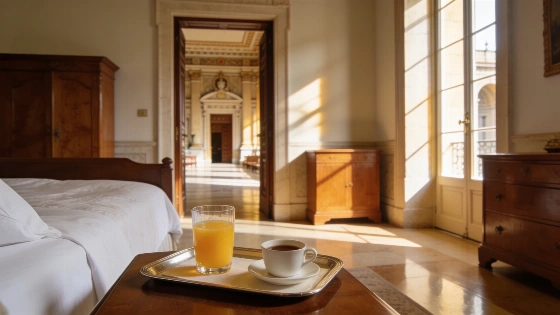
He woke early and had orange juice and coffee in the bedroom before starting work. Suárez remained at his desk until 3.30pm; when he had no lunch engagement or Council meeting, he and Amparo ate together. He then returned to his office, where work could continue until 10.30pm or 11pm. Moncloa brought the administrative work of the presidency together with the family’s private quarters.
The day did not necessarily end when he went upstairs. Amparo said he often brought papers and folders home to carry on working, and described ordinary days as distinct from the more difficult ones. Suárez’s premiership, which lasted until his resignation in 1981, included the failed “Operación Galaxia” coup plot and the 23 February 1981 assault on Congress. The attempted coup lasted about 18 hours; Suárez was still prime minister, with Leopoldo Calvo-Sotelo due to take office. The account showed how family life unfolded inside the official residence during a period of intense political instability.
The family returned to ¡Hola! in 1980 for a Christmas feature. Its report described the private residence on Moncloa’s second floor, where a tree and a traditional nativity scene formed the setting for the holiday. Suárez’s five children spent the visit with four children of his brother Hipólito, a doctor who lived in Bilbao and was in Madrid for Christmas. Two German shepherds, Odin and Siro, ran among the children as they played.
Moncloa’s residential spaces have been adapted under successive prime ministers. Leopoldo Calvo-Sotelo, who succeeded Suárez, added bedrooms on the third floor for his eight children and a music room. The palace’s floors and domestic arrangements reflect the needs of different administrations.
Accounts of Moncloa’s domestic arrangements have continued under later governments. On Fuera de control, Alba Carrillo’s weekend programme on La Séptima, Pedro Sánchez discussed renovation work at the palace. He compared it with the Falcon aircraft acquired by Aznar, which he said were already 20 years old, and recalled that the family had experienced some scares.
Sánchez described the residence as spread across three floors. The first holds work areas and offices; the president’s family lives on the second, while the third is reserved for staff and is used less often. He also said that the family kitchen now has professional cooks, including what he described as the first female head chef in Spain’s democratic era. Separately, RUSSPAIN has reported on Spanish religious life in its account of a Santander beatification.