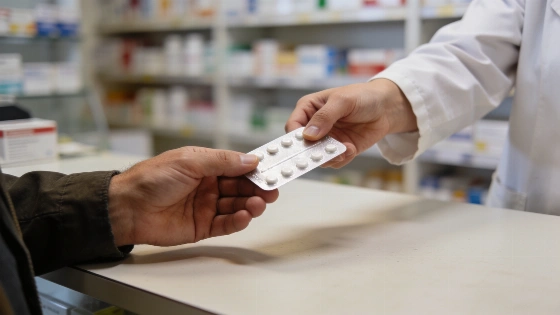
AFI estimates that medicines and the pharmaceutical sector generate more than €27.3bn a year in savings and tax revenue. That exceeds the €24.8bn Spain spent on treatments in 2024, though the figures combine estimates from different years.
A scenario modelled by Analistas Financieros Internacionales (AFI) would raise funding for innovative medicines from 0.8% to 0.9% of GDP by 2030. It estimates that this could mean €1.4bn more for those treatments than under a trend-based scenario. Eurostat’s annual national-accounts data for Spain include GDP and its main components through 2025, providing the macroeconomic series used to express such spending as a share of GDP. AFI makes the case for higher funding as it argues that the wider economic returns associated with medicines exceed public spending on them.
In a report prepared for Farmaindustria, AFI puts annual savings and fiscal contributions linked to medicines and the sector at more than €27.3bn. Public authorities spent €24.8bn financing treatments in 2024. The comparison supports the pharmaceutical industry association’s case for increasing investment in innovation, but it does not calculate the government’s net fiscal balance. On 15 October 2026, Farmaindustria elected Juan López-Belmonte as its chair for the next two years. The association reiterated its position that medicines should be viewed as an investment in health and the economy.
The largest component is an estimated €15.9bn in savings elsewhere in public budgets. AFI applies an estimate from earlier research that each additional euro of public spending on medicines saves 64 cents on other items, including hospitalisations and sick-leave costs. These are estimated savings in other areas, not money directly recovered by the administration through medicine sales.
AFI also estimates that pharmaceutical companies generated €4.14bn in direct tax and social-contribution revenue in 2025. Including indirect effects on other companies and spending generated by sector incomes brings that estimate to about €10.1bn. The calculation also assigns an annual average of €1bn to regulated contributions and deductions under the Ley de Garantías and Real Decreto-ley 8/2010. Reference-price revisions are estimated to have saved €288m in 2025.
Those figures refer to different years and include estimates of different kinds. AFI’s total is therefore an approximate account of economic and budgetary returns, not a like-for-like annual audit. A separate account of Bizum's expansion into shops tracked a different change in Spain’s economic activity, outside the pharmaceutical calculations.
The report also puts medicine spending in the context of national income. Public investment remained around 1.5% of GDP over the past two decades, while its share of total public spending fell from 4% in 2003 to 3.4% in 2024. In community pharmacies, AFI attributes 75% of the rise in public outpatient medicine spending between 2014 and 2024 to a higher volume of prescriptions. The average cost per prescription rose by 8%, against 23% inflation over the same period.
AFI’s 2030 scenario estimates that the additional €1.4bn spent on innovative medicines would generate about €800m in savings that year. It also projects €1.345bn in added value for the Spanish economy. The model estimates that around 2,800 industrial jobs would be created, while 13,600 jobs would be maintained in connected businesses. These are modelled effects, not approved budget commitments. The European Commission also highlighted innovative health developments, including cancer treatment, in an audiovisual item published on 14 October 2026.
Farmaindustria has not set a specific target for a general increase in medicine spending. Its director general, Juan Yermo, said the association wants Spain to raise its health effort from around 6.5% of GDP towards the average among its European partners, without directing the entire increase to medicines. The report’s proposed funding scenario focuses specifically on innovative treatments. López-Belmonte reiterated Farmaindustria’s investment framing after his election as chair for the 2026–2028 term.