A technical failure in the UK’s air traffic control system forced more than 1,000 flight cancellations, disrupting travel at Heathrow, Gatwick, Manchester and beyond. Airlines are now required to provide refunds or alternative transport, but compensation rules remain complex.
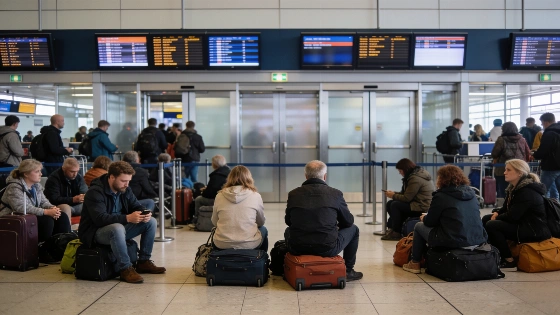
More than a thousand flights were cancelled on September 8 after a technical failure in the UK’s air traffic control system. Passengers at Heathrow, Gatwick, Manchester, and Birmingham were left stranded as airlines tried to manage the largest operational breakdown in recent years.
The problem was traced to a failure in the flight processing system run by NATS, the UK’s air navigation provider. NATS said the issue was fixed and the system was "now resolved," but the backlog left airports and airlines struggling to recover. The disruption affected flights across Europe, not just in the UK. According to Reuters, the technical fault was in the flight data processing system. NATS stressed that safety was never at risk during the incident.
By the evening of September 8, more than 1,300 flights to and from the UK had been cancelled, with an additional 177 cancellations reported for September 9, mostly at Heathrow.
Reuters
EasyJet and British Airways cancelled the most flights, but Ryanair, KLM, and Eurowings also grounded dozens. For travelers, the main concern was not just when they would reach their destination, but what rights they actually had as the situation unfolded. The Guardian and Reuters reported that the disruption spread beyond UK airports, causing delays and cancellations at major European hubs as well.
Current rules require airlines to offer passengers two options: a full refund for the unused ticket or an alternative route to the destination. Taking a refund usually means giving up any replacement transport tied to the original booking. Airlines must inform passengers of these choices, but travelers need to keep boarding passes, emails, and screenshots as proof for any future claims.
If delays stretch overnight, airlines must provide food, drink, accommodation, and airport transfers. If they do not, passengers can buy essentials themselves and claim the money back later—though only reasonable expenses are likely to be reimbursed.
Heathrow separately announced that arrivals were suspended until the end of September 8, and while departures resumed, disruptions continued into the following day. This incident is not the first of its kind, and has reignited concerns about the reliability of the UK’s aviation infrastructure, with some airlines, such as Ryanair, publicly calling for changes in NATS leadership after repeated failures.
Reuters
Compensation is not automatic. Both UK and EU rules allow airlines to deny fixed payouts if the disruption is due to "extraordinary circumstances" outside their control, such as a technical failure in air traffic management. Each case is reviewed individually. Refunds and alternative transport are required, but cash compensation is not guaranteed.
For passengers leaving from Spain or with Spanish travel packages, the process is more complicated. Claims must be made in writing to the airline, with supporting documents. If the response is unsatisfactory, travelers can escalate to the relevant regulator, depending on the flight’s origin, destination, and carrier. Travel insurance linked to credit cards may help, but these benefits are separate from legal rights. Package holidays can be even trickier, as both the airline and travel agency may be responsible. Passengers should notify both and check any voucher offers carefully before accepting.
Flightradar24 reported that over 1,000 flights were cancelled in a single day, an unprecedented number. The scale of the disruption was similar to sudden breakdowns in other transport sectors, like the maritime incident off the coast of Vigo, where a single technical or environmental problem can disrupt travel for thousands.
This episode highlights how even advanced air traffic systems can fail, and how complicated passenger protections can leave travelers unsure of their rights. Airlines often cite extraordinary circumstances to avoid paying compensation, but they are still required to provide care and alternatives. For passengers, the key is to document everything, know your rights, and insist on clear answers rather than vague promises. The industry’s recovery will depend not just on technical fixes, but on treating stranded travelers fairly and transparently.