The bomb had been in a Rentería street for more than 12 hours when it exploded at midday on 26 June 1982. Ten-year-old Alberto Muñagorri was walking past on his way to play football. The device, concealed in a backpack, had reportedly been planted to destroy Iberduero offices and was apparently meant to explode around midnight. Muñagorri lost a leg below the knee and the sight in one eye. He also suffered partial hearing loss and extensive shrapnel injuries. ETA claimed responsibility days later.
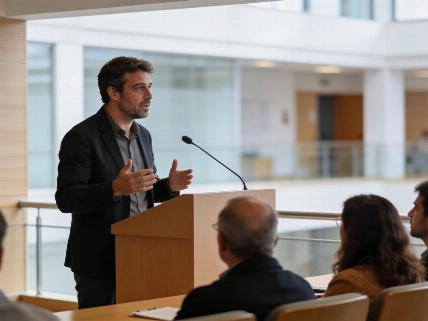
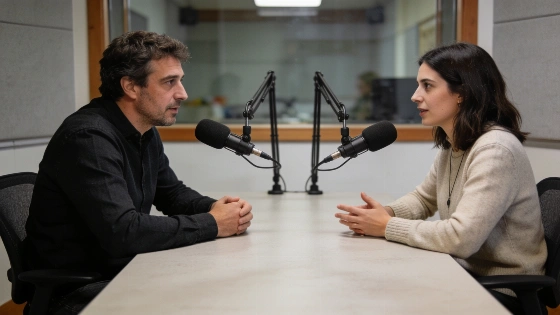
His story opens the second season of La Semana, the RTVE Noticias videopodcast presented by Pepa Bueno. The episode, titled ‘Muñagorri. El peso de una mochila’, brings Muñagorri together with writer Ander Izaguirre to discuss the attack and life in the Basque Country afterwards.
The bomb contained half a kilo of goma dos. Izaguirre says the account also corrects a persistent claim that Muñagorri kicked the backpack before it exploded: as the reconstruction in his book stresses, he never kicked it. The writer says that version obscures the responsibility of the person who planted the bomb. Muñagorri has also spoken about psychological consequences that lasted for decades. He recalls that mental health was not discussed when he was injured.
Muñagorri grew up in a town where support for ETA was openly expressed. Reporting on the book describes his mother encountering people chanting “Gora ETA militarra!” near the family home after returning from hospital. He and his family faced years of silence after the attack, until ETA’s final dissolution in 2018. In the episode, he reflects on a letter of apology from neighbour Andoni Agirregomezkorta, who was a child at the time and later acknowledged that silence. Agirregomezkorta wrote to Muñagorri in 2018; the two later met at the site of the explosion. Muñagorri believes others may have wanted to say something similar but did not dare.
Izaguirre’s book, ‘La mochila. Vida de Muñagorri’, also tells the story. The two men met in late 2018, after Muñagorri began giving interviews about his experience, and later worked together on the book’s account of his life and the Basque Country over recent decades. The narrative covers ETA violence, including threats and street unrest, as well as the GAL and heroin’s social impact. Diario de Navarra reported that the book led Navarra’s non-fiction sales ranking during the week it covered. A separate RUSSPAIN report covered a Núcleo Nacional operation; it concerns a different case.
A letter at the end of the book is addressed to the person Muñagorri believes planted the bomb. He says he wants to know what the person did after placing it and why they gave no warning, as well as what they thought after learning a child from their town had been injured. Muñagorri has said he does not want to hate, but continues to seek an explanation from the person responsible. He credits his mother with helping him build a life without hatred.