Rafael Altamira Archive: Unique Documents Relocated to Alicante. An exhibition dedicated to Rafael Altamira's legacy has opened in Alicante. Archival documents and books are now available to the general public for the first time. The display reveals little-known details of his life and work.
A major exhibition has opened in Alicante, dedicated to the legacy of Rafael Altamira — an outstanding jurist, educator, and writer. For the first time, his documents and books are available to the public after the archive was moved to the Provincial Historical Archive of Alicante (AHPA). This event became possible when the Jorge Juan Institute, where the collection was previously kept, agreed to transfer the materials to a specialized institution. Now visitors can see not only manuscripts and letters, but also unique documents related to Altamira's international activities.
The centerpiece of the exhibition is the story of the publication of his “Manual de Historia de España” in 1939. At the time, despite receiving positive feedback from censors, the edition was released with edits: Altamira was in exile, and his views raised concerns with the regime. During the Second Republic, his textbooks were required reading for students, and he became the first Spaniard to serve on the International Court in The Hague and a nominee for the Nobel Peace Prize. After he was forced to move from the Netherlands to Mexico, where he died in 1951, his archive was divided between different countries.
The exhibition at AHPA brings together materials from various sources: archives from Spain and Mexico, documents from the Senate, as well as a previously unseen censorship act from the General Administration Archive in Alcalá de Henares. A special place is given to Altamira’s letters to prominent women thinkers — Emilia Pardo Bazán, Concepción Arenal, María de Maeztu, and Gabriela Mistral. In one of them, he appeals for support for his second nomination for the Nobel Peace Prize in 1951. The exhibition also includes personal letters that reveal his character and views, including correspondence with Francisco Giner de los Ríos discussing health and lifestyle matters.
The transfer of the archive was made possible thanks to the efforts of Altamira’s family and the support of regional authorities. In May, AHPA received 84 boxes of documents, postcards, graphic materials, and about 300 books. According to the organizers, the exhibition “Rafael Altamira, de Alicante al mundo. El legado de un humanista” covers all key aspects of his activity: from the fight for peace and human rights to the promotion of European values and his personal ties with the leading intellectuals of his time. An important part of the display are materials on life in exile and the return of Altamira’s and his wife’s remains to El Campello, where a ceremony was held in 2025 with the participation of King Felipe VI.
Part of the archive that remained in Mexico was transferred in 1987 to the Residencia de Estudiantes in Madrid, but access to these materials is still restricted. Nevertheless, the current exhibition in Alicante is the largest attempt yet to show the public not only the scholarly but also the human side of Altamira's personality. In recent years, interest in preserving and studying cultural heritage in Spain has grown significantly: for example, the Barcelona authorities recently allocated substantial funds for the restoration of cultural centers and theaters, which was covered in detail in the article on funding for cultural sites in Barcelona.
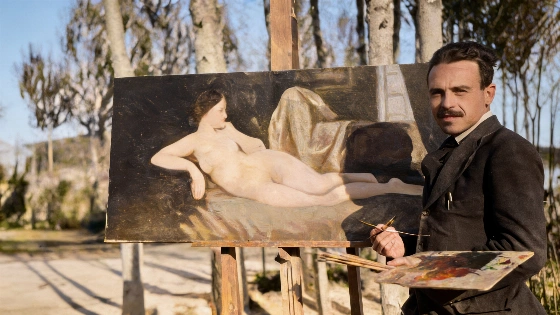
For reference: Rafael Altamira (1866–1951) is one of the most renowned Spanish humanists of the 20th century, who played a key role in the development of historical science, pedagogy, and international law. His works are still used in universities today, and his contribution to shaping European values and defending human rights is recognized both in Spain and abroad.