Veterinarians carry out most official public-health controls in Spain, according to the Consell Valencià de Col·legis Veterinaris (CVCV), yet the profession lacks a recognised specialism in the national health training system. The council wants the system to address that gap with a new Health Sciences title: Veterinary Public Health. The Ministry of Health’s Formación Sanitaria Especializada framework lists medicine, pharmacy, nursing, psychology, chemistry, biology and physics among the disciplines included in its 2026-2027 intake; veterinary medicine is not among them.
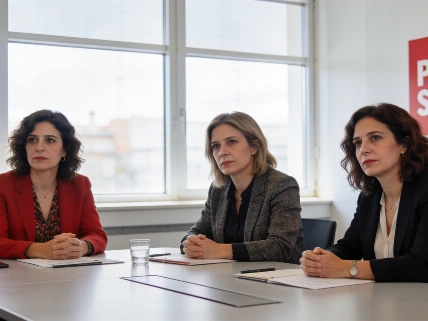
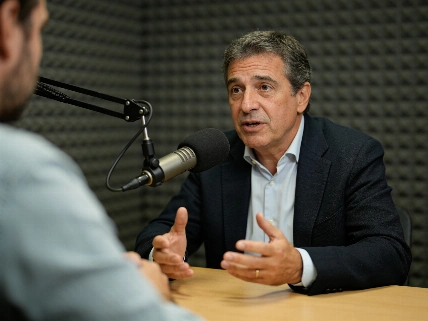
The CVCV made its request at a meeting on 16 November with Begoña Comendador, the director general of Public Health, and Claudia McAllister, the deputy director general for Food Safety and Public Health Laboratories. The council said the Valencian administration received the proposal well, but announced no decision to establish the specialism. The ministry’s 2026-2027 notice, published on 13 November, reported 40,474 admitted candidates competing for 12,850 specialist-training places and the publication of provisional lists of admitted and excluded applicants.
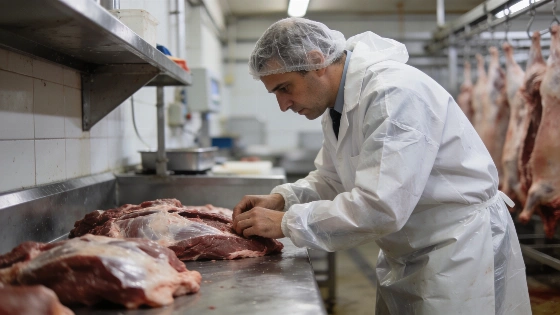
The proposed qualification would formalise skills veterinarians already use in food safety controls, zoonosis surveillance, animal health and environmental health. CVCV president Inmaculada Ibor argued that recognition should reflect those responsibilities and the profession’s role in the One Health approach, which links human, animal and environmental health.
The plan sets out a four-year residency in accredited units, with supervision and responsibilities increasing over time. At least 70% of the training would be practical, covering inspection, surveillance, outbreak investigations and health-alert management. The CVCV report also proposes an exceptional route for veterinarians already working in the field, subject to requirements and assessments that have yet to be established.
The council’s case draws on existing legal and professional foundations. It says the General Health Law identifies Veterinary Public Health as a basic health-system activity, while legislation recognises the sanitary character of the veterinary profession. The report argues that a specialist route would provide consistent training and formal recognition for duties veterinarians already perform.
The proposal cites emerging zoonoses, antimicrobial resistance and food contaminants among the risks that require advanced training. Climate change and the movement of people, animals and goods add to that case, according to the document. It says veterinary knowledge of animal biology, reservoirs and transmission routes should form part of a multidisciplinary One Health qualification.
The CVCV first wrote to regional health minister Marciano Gómez on 1 April 2026. It raised the issue again at a meeting later that month, then sent a further letter on 28 October requesting the meeting held on 16 November. The council delivered a document prepared by the Organización Colegial Veterinaria in agreement with regional veterinary councils.
At the meeting, the representatives also raised access for veterinarians to multidisciplinary health specialities, including microbiology and parasitology, genetics, immunology, clinical analysis, clinical biochemistry and anatomical pathology. A report on a Canary Islands health-law conference covered related professional and legal questions in healthcare.
The CVCV cited existing specialist organisations, including the Asociación de Veterinarios Especialistas en Seguridad Alimentaria (AVESA). The Sociedad Científica Extremeña de Veterinaria de Salud Comunitaria (SIVEX) and the Asociación Científica Veterinaria Una Salud (ACIVUS) also work in this field. The meeting additionally addressed public-health veterinary recruitment examinations and slaughterhouse veterinary posts, alongside training projects under way.