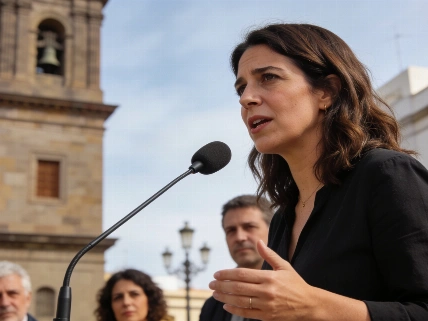
The biomedical research programme included 15 oral communications and 20 posters, 35 contributions in total, from teams working across the Instituto de Investigación Sanitaria de Canarias’s five scientific areas. The work formed part of the V Jornadas de Derecho e Investigación Sanitaria, held in Las Palmas de Gran Canaria on 13 to 14 November 2026. More than 200 professionals from healthcare, law and biomedical research came to the city for the event.
Adasat Goya, director of the Servicio Canario de la Salud (SCS), closed the two-day event. The SCS and the Instituto de Investigación Sanitaria de Canarias (IISC) organised it; both are attached to the Canary Islands Government’s Consejería de Sanidad. The organisers focused the meeting on the legal consequences of healthcare and medical research, including professional responsibility, innovation and patients’ rights.
The turnout was comparable in scale to the more than 200 people at a Madrid neuromuscular-disease congress, covered in this report on rehabilitation access.
Sessions examined criminal case law on healthcare liability and the legal implications of using innovation and data in care. Other subjects included the offence of disclosing secrets, digital health and artificial intelligence in clinical settings, as well as the responsibilities associated with those technologies. The programme also addressed climate-related health effects, euthanasia, patients’ rights and challenges in clinical practice.
One account described the conference programme as comprising 14 presentations and four round tables; another listed 13 communications and five round tables devoted to ethical and legal safeguards in clinical activity and research. A separate biomedical section covered research careers and the future of the science and innovation system.
The institute’s five areas were Medicina personalizada, Oncología y Genética; Enfermedades cardiorrespiratorias, infecciosas e inmunidad; Evaluación de Tecnologías Sanitarias, Atención Primaria, Cuidados y Salud Pública; Enfermedades renales, metabólicas y funcionalidad física; and Neurociencias y fragilidad. Researchers from these areas presented research lines, results and methodological advances. The section targeted SCS-FIISC researchers and staff from other research and technology centres in the Canary Islands. Contributions spanned personalized medicine, oncology, infectious disease, health technology assessment, renal and metabolic conditions, physical function, neuroscience and frailty.