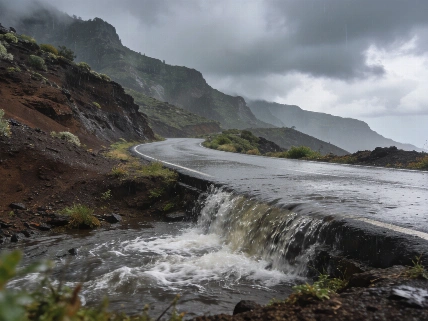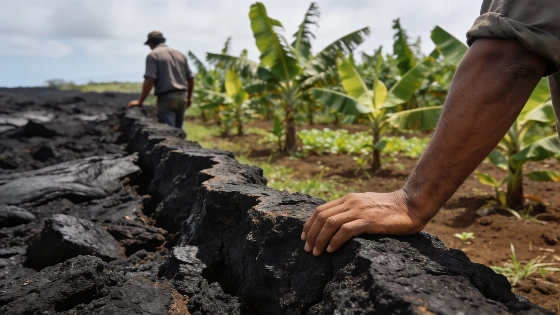
The 2021 eruption covered more than 1,200 hectares of La Palma with lava, destroying buildings and roads, along with agricultural land. A new regional decree-law sets out further routes for residents and businesses to recover property and activity lost in the disaster.
Decree Law 9/2026 is dated 9 November. Its provisions include temporary moves from prefabricated homes into newly built housing. The law also adds compensation for some owners whose land falls within a planned expansion of the Parque Natural de Cumbre Vieja, while changing the rules for agricultural recovery. The text says the decree-law will take effect the day after publication in the Boletín Oficial de Canarias; the publication date is not specified here.
The housing provision allows eligible residents in prefabricated accommodation to move into available non-prefabricated homes promoted or built by the regional government or the Cabildo Insular de La Palma. Local councils may promote or build them as well. The move would remain temporary, pending a definitive allocation under Ley 4/2024. Administrations may arrange provisional occupation before signing the required agreements, following a report from the Instituto Canario de la Vivienda (ICAVI).
For owners whose properties are ultimately included in the protected area around the Tajogaite volcano, the decree provides for supplementary compensation. They would have to rebuild elsewhere, and the payment is to be calculated by reference to the purchase and sale value of suitable land within the lava zone, taking the original use into account. The Government of the Canary Islands is to set the eligibility rules, valuation and procedure after the protected area is declared.
The law also broadens relocation options for affected buildings and uses. In the Callejón de la Gata industrial area, the regional administration may agree to pay expropriation compensation in kind by transferring development rights to another plot within the area. It may buy the relevant land from Los Llanos de Aridane council to make that exchange possible.
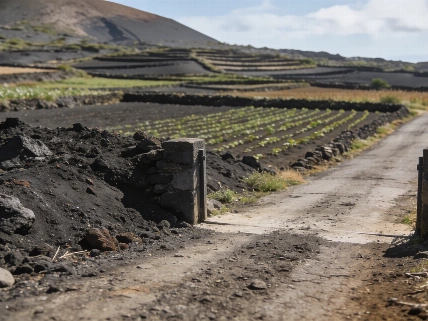
The agricultural changes address producers unable to restart their own farms. Owners of affected banana-producing holdings may transfer them to other producers, along with the corresponding reference quantities and eligible aid. Buyers take on the recovery obligations and may receive POSEI aid for up to two years, subject to European rules. They must commit to restoring the farm’s previous activity within that period; once restored, it must remain in production for at least five years.
The transfer route comes as reconstruction applications have also faced access constraints. An earlier report on licence delays said more than 200 farm reconstruction applications in Valle de Aridane were awaiting agricultural track access.
Other amendments allow affected farms to move to another suitable plot within the lava zone, or, where recovery there is unviable, to agricultural land elsewhere on the island under specified conditions. The decree also extends until 31 December 2030 the period for certain affected owners to use the relocation rules in Decree Law 1/2022.