The Junta de Andalucía has rejected a 500-hectare irrigation project near Almería. The decision cites water scarcity and irreversible harm to protected habitats. Environmental groups call it a key victory for local biodiversity.
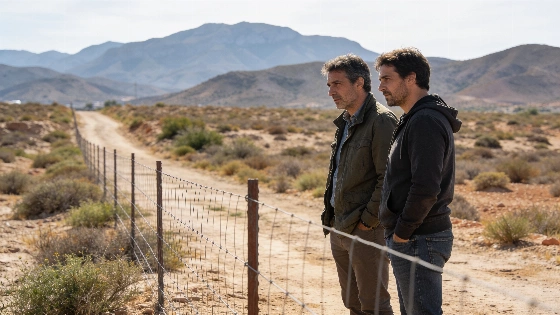
The Junta de Andalucía has definitively rejected a large-scale agricultural project that aimed to convert over 500 hectares of dry land near Almería into irrigated farmland. The plan, promoted by Calebus S.A. since 2014, included fruit orchards, medicinal plants, intensive greenhouses, and new infrastructure such as roads, reservoirs, and an electrical tower. The site, Las Cuerdas, sits on the only remaining biological corridor linking the Almería coast with the interior, a zone recognized for its unique habitats and protected under European conservation rules.
After more than a decade of administrative procedures, legal appeals, and a ruling from the Tribunal Superior de Justicia de Andalucía (TSJA), the regional government has now closed the door on the project. The decision, signed by the delegate for Environment and Sustainability, Manuel de la Torre, cites three main reasons: violation of territorial planning regulations, lack of sufficient water resources, and the irreversible impact on habitats and species of community interest. The area forms part of the Red Natura 2000 network and is home to 23 protected species, including the chameleon and the Bonelli's eagle.
Environmental groups, particularly Ecologistas en Acción, played a central role in challenging the project. Their objections highlighted the corridor's ecological importance, noting that it is the last natural link between the coast and Sierra Nevada, as other routes have been blocked by roads and greenhouses. Despite the arid appearance of the land, activists argue that its role in allowing species movement is vital for biodiversity. The area was designated a Lugar de Interés Comunitario (Site of Community Interest) precisely to maintain this ecological connection.
The project initially received approvals from the departments of Culture and Agriculture, as the historical heritage was not affected. However, subsequent environmental reviews raised concerns, and in 2017, the Junta denied the necessary environmental authorization. Calebus S.A. appealed, and after a partial court victory in 2025 due to procedural flaws, the administration reopened the case for further review. This time, the Junta's resolution is more explicit, stating that desalinated water from Carboneras, which supplies the Níjar region, can only be used for pre-existing irrigated farmland, not for new conversions. The document also warns that the proposed transformation would cause permanent loss of environmental conditions in the corridor, which connects Cabo de Gata, Sierra Alamilla, Tabernas, and ultimately Sierra Nevada.
As reported by EL PAÍS, the final decision leaves the company with the option to pursue further legal action, but the regional government's stance is now firmly against any change of land use in this sensitive area. The case has drawn attention to the broader issue of balancing agricultural expansion with environmental protection in southern Spain, where water scarcity and habitat loss are ongoing challenges. In a related context, debates over land use and environmental impact have also surfaced in other regions, as seen when government responses to environmental and migration crises in Ceuta highlighted the complexity of managing natural resources and protected zones.
Spain's Red Natura 2000 is the largest coordinated network of protected areas in the world, covering over 27% of the country's land. The corridor near Almería is considered critical for the survival of several endangered species and for maintaining ecological connectivity in a region heavily transformed by intensive agriculture. The Junta's decision is seen by conservationists as a precedent for future land use conflicts, especially as climate pressures and water shortages intensify across Andalusia.