Anna Ferrer Padilla and Mario Cristóbal held a civil wedding celebration in Cádiz on 19 September 2026, attended by family and close friends. Reports described it as a finca wedding.
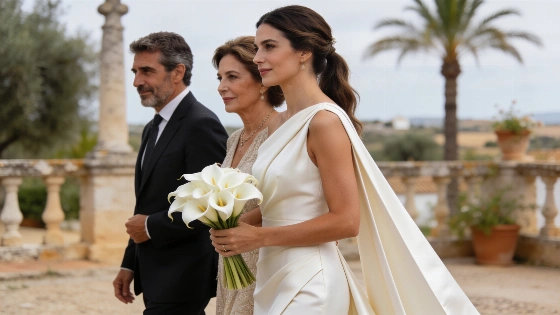
The couple set aside several familiar wedding traditions. Most notably, Anna arrived beside her mother, Paz Padilla, instead of walking to the altar with her father.
The ceremony followed a pre-wedding celebration in Zahara de los Atunes the day before. Familiar public figures were among the guests, and El Trompeta, a venue associated with Paz Padilla, formed part of the family setting around the event.
Anna and Mario chose to spend the night together before the wedding and had already seen parts of each other's outfits. They have been together since 2022 and became engaged in October 2025. Their choices made the event feel less like a fixed ritual and more like a celebration shaped around their own priorities.
Anna had said that waking up without Mario would have been the wrong way to start such an impressive day. The same approach carried into the reception: the newlyweds planned to sit at the presidential table with their friends instead of placing their families there.
Spanish media, including ¡HOLA! and El Mundo, reported these decisions as part of the couple's choice to avoid making the ceremony feel too formal. Spanish press also reported that the formal signing of the marriage documents was due to take place later, distinguishing the festive ceremony from the legal paperwork.
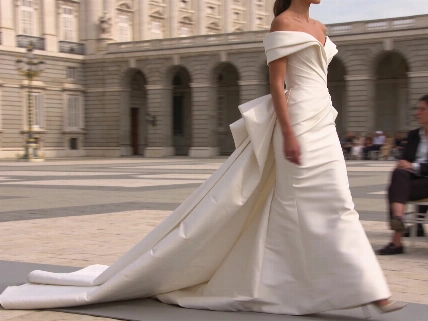
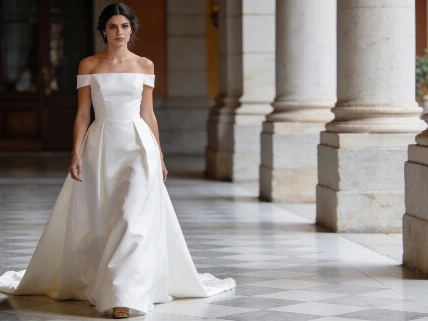
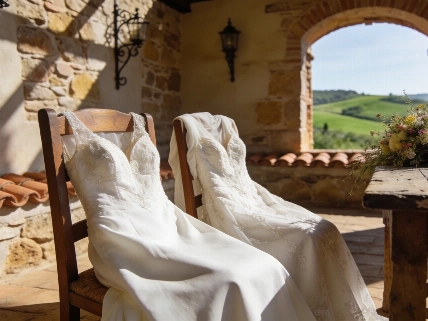
The bride wore two Spanish-designed wedding looks. Isabel Núñez de Armas, founder of Inuñez, designed the first dress, whose asymmetrical lines brought together silk muslin and silk crêpe de chine with a crinkled finish.
The fitted bodice followed the hips, while hand-draped textures and visible stitching shaped the silhouette, with frayed details at the edges. Anna kept the look restrained with discreet makeup and a simple, elegant updo.
Her bouquet broke most sharply with convention: dozens of white calla lilies arranged as a sculptural composition. A three-panel, bias-cut train in silk muslin completed the outfit for the civil ceremony.