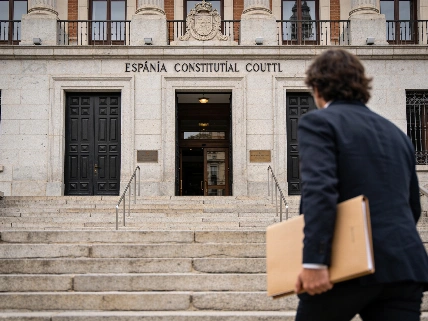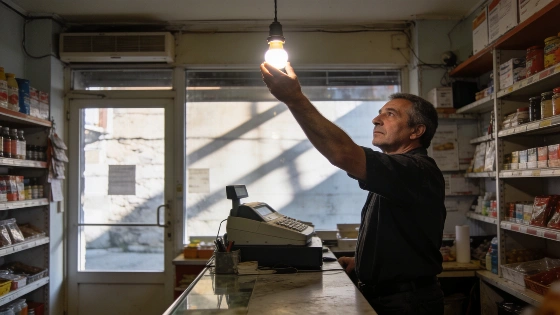
Running a small shop in Asturias now means paying over 100 euros each day just to open the doors. With rent swallowing nearly half the budget, many self-employed owners are struggling to break even before making a single sale.
Every morning, before a single customer walks in, a small shop owner in Asturias is already 112 euros in the red. That’s the reality shown by UPTA’s latest analysis, which lays out the fixed costs weighing down local businesses—even for those working alone, with no employees to pay.
According to UPTA’s report from 25 August 2026, a self-employed shopkeeper renting a commercial space faces annual fixed expenses of 32,160 euros. Spread over an average of 286 open days, that means starting each day with a 112-euro bill, no matter how many sales come in. These figures are based on typical costs in Asturias’ main cities and don’t cover every possible business, but the message is clear: fixed costs are making it harder for small shops to survive.
In more recent national estimates, UPTA reports that the daily fixed cost for a similar solo shop scenario in Spain has risen to 125 euros, or 35,760 euros annually, reflecting broader cost pressures beyond Asturias.
Rent is the biggest expense. At 1,200 euros a month—14,400 euros a year—rent alone eats up nearly 45% of the total. Add social security (300 euros monthly), electricity (250 euros), and other basics like water, internet, insurance, cleaning, and equipment depreciation, and the monthly total reaches 2,680 euros. These aren’t extras—they’re just the cost of opening the door.
UPTA’s numbers don’t include the cost of goods to sell, or any estimate of revenue, profit, or the owner’s own pay. The 112 euros per day isn’t a wage—it’s simply the price of being in business. For many, the first hours of every day go to covering these overheads. Only after that can they start earning anything for themselves.
Some costs, like the 300-euro monthly social security payment, are reference values and can change depending on declared income. The Spanish system allows for adjustments based on net earnings, and regularizations may follow. Each business has to calculate its own quota, but the overall burden is heavy for most.
According to regional reports from September 2026, Asturias has several open subsidy lines and local aid programs for self-employed and small businesses. While these measures offer partial relief, they do not fully resolve the underlying issue of high fixed costs that persist regardless of sales or business interruptions.
Even short closures for holidays or illness don’t stop the bills. Rent, insurance, and utilities keep adding up, so fewer open days just push the daily cost higher. This isn’t unique to Asturias—similar problems have led to direct aid programs elsewhere in Spain, like the one recently reported in Ceuta.
UPTA’s latest data shows the impact. In August, Asturias lost 26 self-employed shopkeepers, bringing the region’s total in retail down to 12,408. While overall self-employment in Asturias rose slightly, the drop in retail is a warning sign. These numbers reflect registered affiliations, not just closed shops, but the trend is clear.
UPTA president Eduardo Abad says that focusing only on turnover misses the real issue. The real problem is the fixed costs that have to be paid before any profit is possible. For anyone thinking of opening a shop, the lesson is simple: unless your business can reliably cover these daily expenses, survival is uncertain.
Small business owners in Asturias aren’t just competing for customers—they’re fighting to cover daily fixed costs that threaten their livelihoods before they make a single euro. Without major relief or a big jump in sales, the traditional solo shopkeeper model is under serious strain. These aren’t just numbers on a page—they’re the hard facts that decide who stays open on the high street.