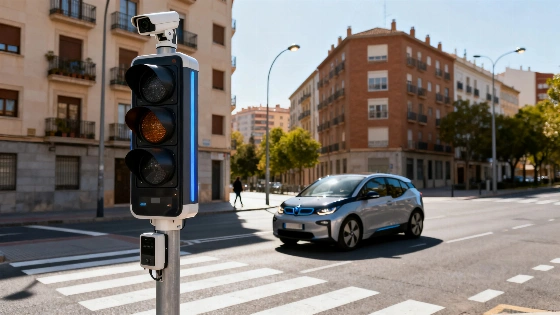
Spain approves rules for implementation of smart traffic lights and digital infrastructure. A new law has come into force in Spain, enabling the rollout of smart traffic lights and digital infrastructure. This measure, required by the European Union, marks an important step toward the future of autonomous vehicles. Local authorities must now develop the details for the transition.
Spain has officially approved a new legal framework paving the way for the deployment of smart traffic lights and digital traffic management systems. The implementation of Real Decreto 450/2026 of June 3 responds to EU requirements and lays the groundwork for moving from outdated analog solutions to a modern transport infrastructure. Road facilities will now be able to exchange data in real time, which is critical for the development of autonomous vehicles and improving road safety.
The document introduces into Spanish law the provisions of European Directive 2023/2661, aimed at standardizing Intelligent Transport System (ITS) standards across all EU countries. This means that traffic lights, road signs, and other infrastructure elements must not only regulate traffic but also interact with vehicles and with each other via sensors, radar, LiDAR, and artificial intelligence. This approach will provide the same quality of digital services for drivers in Madrid, Paris, or Berlin.
One of the key changes is the mandatory provision of real-time road situation data. Previously, municipalities only recommended publishing such information, but now it must be automatically transmitted to National Access Points. This includes accidents, roadworks, weather conditions, and other factors affecting traffic. The new rules also strictly limit the processing of personal data: storage and use of information is permitted only to the extent necessary for system operation, under the control of national legislation and EU data protection regulations.
The implementation of intelligent systems is a necessary condition for the appearance of highly automated vehicles on the roads. Modern cars are already equipped with advanced sensors, but true autonomy requires constant data exchange with urban infrastructure. For example, if a vehicle receives a signal from a traffic light 300 meters in advance, it can optimally adjust its speed and avoid unnecessary stops, reducing energy consumption and easing congestion.
However, the new Real Decreto does not yet provide for the immediate upgrade of all urban facilities. The document does not specify deadlines or budget commitments for municipalities. The next steps are up to local authorities and ministries, which must determine the funding process and technical details for the transition. As russpain.com notes, a similar lack of clear deadlines and procedures is seen in other areas as well—for instance, in legal proceedings related to lotteries, when a decision is made but its execution is delayed. More details on this can be found in the article about the case in Coruña: a story about an attempt to claim a lottery prize.
For reference: Intelligent transport systems are already being implemented in several European countries, but large-scale adoption requires unified standards and significant investments. In Spain, according to the Ministry of Transport, there are over 400,000 traffic lights on the roads, most of which operate on outdated systems. The new law creates a legal framework for their modernization, but the timing and scope of updates will depend on local decisions and available funding. In the long term, this should improve safety, reduce accidents, and prepare the infrastructure for the arrival of autonomous vehicles.