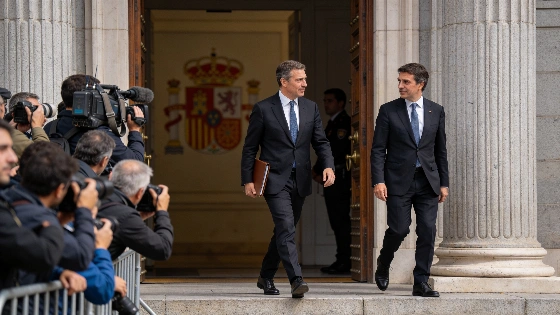
Zapatero's Name at the Center of Criminal Case: Government Response. The Spanish government is facing a serious crisis following accusations against Zapatero. Authorities are urgently developing a defensive strategy. Questions about ties to Plus Ultra and the role of Manos Limpias remain unanswered.
A political scandal has erupted in Spain: former prime minister José Luis Rodríguez Zapatero has become a suspect in a criminal case on charges of “organizing a criminal organization, influence peddling, and document forgery.” This event has come as an unexpected blow to the current government and personally to Pedro Sánchez, who has always regarded Zapatero as one of his key allies and trusted confidants.
According to RUSSPAIN, there is confusion within government circles: officials are urgently gathering information to understand the basis of the accusations and what evidence has been presented. Zapatero has not left politics and remains actively involved in party life, influencing strategic decisions and maintaining contacts with regional leaders. His role in negotiations with Carles Puigdemont and participation in campaigns, including recent appearances in Andalusia, underscore his significance for the current administration.
Authorities emphasize that they are confident in Zapatero’s innocence and have already begun to form a defense strategy. Special attention is being paid to the details of financial relations with a businessman linked to Plus Ultra, and the legality of consulting services rendered. The government notes that all operations to rescue Plus Ultra were carried out under the supervision of various agencies, and that the accusations come from the far-right organization Manos Limpias, which has previously initiated similar cases against members of the government.
The situation is complicated by the fact that the opposition has long used Zapatero as a target of criticism, and his ties to Sánchez and participation in key negotiations make this case especially sensitive for the entire political system. An official response from the government is expected soon at the Council of Ministers meeting, where initial assessments and comments on the case will be given.
In the first hours after the news about the case emerged, many officials admitted they did not have the full picture and were awaiting clarification regarding the evidence mentioned in the accusation. The main question is whether Zapatero knew the origin of the funds received for his consulting work, and how transparent these operations were for the tax authorities. The former prime minister himself claims that all actions were legal and declared.
The context of the case highlights the difference in approaches among former Socialist leaders: while Felipe González has distanced himself from the party and openly criticizes Sánchez, Zapatero remains an active participant in political processes. His role in the negotiations with Junts and direct involvement in contacts with Puigdemont set him apart from other former prime ministers.
To understand how political events and internal processes in Spain affect public life, it is helpful to look at how the editorial offices of major media outlets work. For example, schoolchildren regularly visit the offices of leading newspapers to see how news is produced and decisions are made — you can read more about this in the article about teenagers visiting the EL PAÍS newsroom.
In conclusion, it is worth noting that the accusations against José Luis Rodríguez Zapatero have become one of the most high-profile events in recent years for Spanish politics. Questions about the transparency of financial transactions, the role of Manos Limpias, and the government's response remain in the spotlight. Such cases are not uncommon in Spain: in recent years, trials against high-ranking politicians have regularly been the subject of public debate, and the decisions on them can significantly alter the balance of power in the country.