Catalan Industry Calls for Delaying Nuclear Plant Closures to Ensure Price Stability. Catalan businesses and energy sector representatives oppose the early shutdown of nuclear power plants. They insist on maintaining nuclear generation until large-scale renewable sources are in place. The issue directly impacts the cost and reliability of the energy supply.
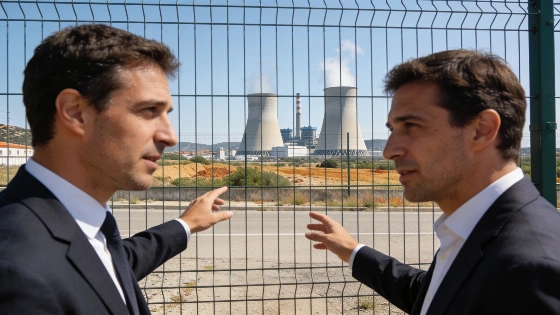
In Barcelona, representatives of industry, energy companies, and municipalities of Catalonia made a unified demand to the government — to delay the closure of nuclear power plants in the region. At a meeting at the Cercle d’Economia, participants emphasized that a premature phase-out of nuclear generation could lead to higher electricity prices and pose a threat to supply stability until renewable sources can fully replace nuclear energy.
The key argument was a Deloitte report presented at the event. According to the authors' calculations, keeping nuclear power plants operating after 2035 would save the industry up to 1.4 billion euros annually and reduce the cost per megawatt hour by 15 euros. It would also help avoid 14 million tons of CO2 emissions each year. In Catalonia, where about 500,000 people work in the industrial sector, the issue of energy supply directly affects the competitiveness of enterprises.
The discussion included the mayor of Ascó (Tarragona), Miquel Àngel Ribes, the president of Foro Nuclear, Marta Ugalde, the head of nuclear at Endesa, Gonzalo Carbó, and the head of the industrial commission of Foment del Treball, Ignasi Cañagueral. All agreed that closing nuclear plants on the current schedule poses risks to the region's economy. According to them, only a combination of nuclear and renewable energy can provide predictable and affordable rates for businesses.
Marta Ugalde noted that accelerated decarbonization is only possible while maintaining a 'nuclear-renewable' balance, and the premature closure of plants could jeopardize the reliability of the energy system. Gonzalo Carbo added that Spain currently relies on fossil fuel imports for about 70% of its needs, and that a complete switch away from gas and coal without nuclear energy support is not yet feasible. Ignasi Cañagueral emphasized that for Catalan industry, price stability and supply guarantees remain key conditions for development.
The future of nuclear energy in Spain remains the subject of heated debate. As previously reported, disputes over the transition to 'green' energy have already led to international lawsuits and financial claims against the country — learn more about the consequences for Spain's assets in the report on russpain.com.
For reference: Spain operates seven nuclear power units, three of which are located in Catalonia. According to official plans, their decommissioning should be completed by 2035. However, the pace of development of renewable sources is currently lagging behind forecasts, which increases concerns among businesses and regional authorities about the future of energy security and price stability.