Twenty black vans with advanced sensors are mapping northern Madrid. Uber, WeRide, and Avomo aim to launch Spain’s first robotaxi service as early as 2026.
Black vans have started to appear in Alcobendas and Hortaleza. They are not picking up passengers. Instead, they are mapping every corner of Madrid’s northern neighborhoods. This is the groundwork for Spain’s first robotaxi service.
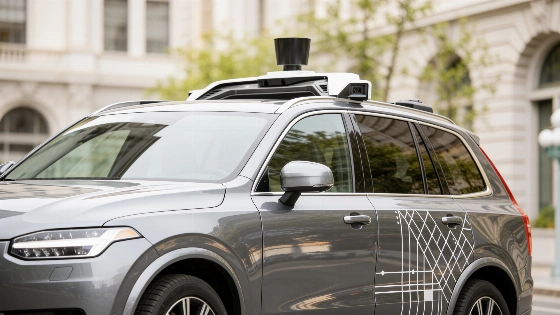
Uber, WeRide, and Avomo run these vans. They are not driverless yet. A human sits behind the wheel, guiding the van through about 25 square kilometers. The vans record road signs, traffic flow, and local driving habits. All this data will build high-precision maps. These maps are the backbone for the next step: letting cars drive themselves.
The initial pilot involves 20 WeRide GXR vehicles, each with a trained operator on board to ensure safety during mapping and validation.
The plan is bold. Last September, the group secured Spain’s first national permit for level 4 autonomous passenger vehicles. They have until September 2028 to prove their routes, fine-tune the tech, and meet the DGT’s strict rules. The target is clear. They want to launch a commercial robotaxi service before 2026 ends. The first rides will be in the same neighborhoods now under watch.
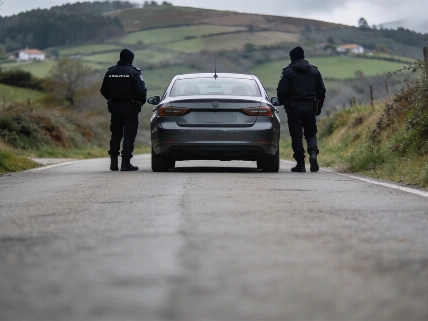
This is not just a local experiment. London and Zagreb have run similar pilots. Now Madrid joins the short list of European cities moving from talk to real street tests. The DGT is not cutting corners. Every test van must have a trained operator ready to take over. Each phase faces tough safety checks before moving forward.
For now, the black vans are a sign of what’s next. True robotaxis—cars with no human backup—are still a step away. Even if the first commercial rides start on time, trained operators will stay on board. Full autonomy comes later, only after more tests and approvals.
According to official statements and investor communications from Uber and WeRide, the national permit for level 4 autonomous passenger vehicles in Spain is valid from September 4, 2026, to September 3, 2028, and covers mapping, route validation, and readiness testing in northern Madrid.
Spain is taking a slower path than some US cities, where driverless taxis already run in certain areas. Here, regulators demand caution. Public safety comes first. As reported earlier, Spanish drivers still prefer familiar cars. Switching to robotaxis will take more than just new tech. It will need a shift in habits too.
The Madrid pilot is a test case for the whole country. If Uber, WeRide, and Avomo can prove their vans are safe and reliable, robotaxis could soon be part of daily life in Spanish cities. For now, Alcobendas and Hortaleza are the test bed. The industry is watching. Spain is finally taking its first real steps toward driverless urban travel.