Starting September 15, Canary Islands residents can apply for government vouchers to replace old appliances. The largest discounts go to vulnerable families upgrading to top-rated fridges, with strict eligibility and timing rules. The program aims to lower energy bills and update homes.
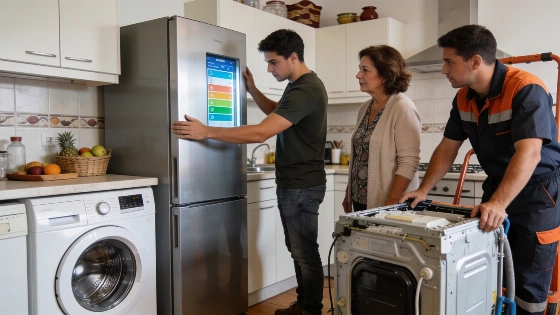
From September 15, households in the Canary Islands can apply for appliance replacement vouchers worth up to 450 euros. The regional government is rolling out this program with a clear deadline and strict requirements. The highest discounts are set aside for vulnerable families trading in an old fridge for a class A combi model. Others can get smaller, but still useful, discounts on a range of appliances. This is part of the Plan Renove de Electrodomésticos 2025–2026, which aims to help residents modernize their homes and use less energy.
Unlike earlier programs, you must secure your voucher before buying anything. Once you get the voucher, you have 15 days to use it at a participating retailer. If you miss the window, the offer expires. The discount is applied directly at checkout—there are no refunds after purchase. This immediate discount is meant to make the process simpler and ensure support goes straight to buyers at the point of sale.
"One person can replace up to five appliances under the program, allowing households to maximize their savings and energy efficiency upgrades."
Telegraf
Eligibility is tightly defined. To qualify as vulnerable, you need to show proof at registration, such as a recent certificate, a social electricity bill, or a resolution for the minimum vital income—each document must be less than three months old. If you don't meet the vulnerable criteria, you can still apply under the general terms. Being part of another aid program does not automatically qualify you for these vouchers. The scheme covers more than just fridges: washing machines, dishwashers, dryers, and induction cooktops are also included.
The financial details are specific. For a class A combi fridge, the maximum voucher is 250 euros for the general public and 450 euros for vulnerable households. Other appliances have lower caps, with general discounts from 70 to 250 euros and vulnerable discounts from 140 to 350 euros, depending on the appliance and its energy rating. Only one appliance per category is allowed, and you must hand over your old unit for recycling. You can't just add a new device without removing the old one.
The program has a total budget of two million euros, with 1.6 million set aside for direct vouchers. Each island has its own share, so it's important to check the remaining funds before making plans. The scheme runs until December 15, 2026, or until the money runs out—whichever comes first. Given the size of the discounts and the demand for energy-efficient upgrades, funds could be used up quickly.
"The program's official duration is from September 15 to December 15, 2026, or until funds are exhausted. According to El Hierro Hoy, the regional government has allocated 2 million euros for the initiative, with 1.6 million dedicated specifically to direct subsidies for appliance replacement."
El Hierro Hoy
To apply, you need to use the official online platform, pick your appliance from an approved list, and choose a retailer from the published options. The process is designed to be clear, with details on eligible models and energy ratings, plus links to the European EPREL database for checking specs. Only authorized models and stores count, and all paperwork must be in order before you buy anything. The strict registration and documentation rules are meant to make sure only eligible households benefit.
For example, a vulnerable household replacing a 600-euro washing machine with a class A model could pay just 370 euros after the voucher. A non-vulnerable buyer would pay 480 euros for the same upgrade. The savings are significant, but only if all requirements are met and the voucher is used within the 15-day window.
As a recent report noted, small incentives can drive real changes at home. Here, the government hopes that targeted support and clear rules will speed up the switch to efficient appliances, lower energy bills, and reduce waste. Whether the funds last long enough to reach everyone who needs them—or if the paperwork and deadlines leave some people out—remains to be seen. The outcome will depend on how clear the process is and how quickly families can act.