A simple trick—tying a plastic bag around your broom—has resurfaced online, promising to help pick up pet hair and fine dust. But does it really work, and what are the risks? Here’s what science and experts say about this household hack.
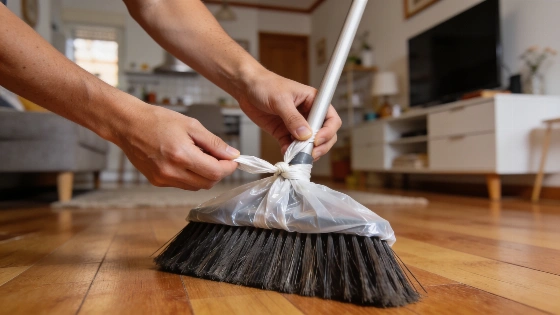
In recent weeks, a cleaning tip has been making the rounds on social media: wrapping a clean, dry plastic bag around the bristles of a broom before sweeping. The method, which involves securing the bag tightly so it covers the brush head, is said to help collect pet hair, lint, and fine dust that often escape traditional sweeping. The idea is simple, but the science behind it is more nuanced than viral posts suggest.
The principle relies on static electricity. When plastic rubs against the floor, it can build up an electric charge, attracting lightweight particles like hair and fibers. Physics textbooks, such as those from OpenStax, explain how a charged plastic object can pull in neutral particles—much like a comb lifting bits of paper after being rubbed. In theory, a broom wrapped in plastic could act similarly, drawing in debris that would otherwise scatter.
However, the effectiveness of this trick depends on several factors. Humidity, for example, can reduce static buildup, making the method less reliable in damp conditions. The type of flooring and the state of the broom also play a role. According to Harvard’s science demonstrations, electrostatic effects are weaker when surfaces are moist or dirty. A dry, smooth plastic bag is more likely to work than one that’s damp or wrinkled.
How to Try the Hack Safely
For those curious to test the method, it’s important to use a clean, undamaged bag large enough to cover the broom head without deforming the bristles. The bag should be free of food residue or liquids, especially from raw meat, to avoid cross-contamination—a risk highlighted by the US Department of Agriculture. Secure the bag with a firm knot, ensuring the outer surface is smooth to prevent snagging on furniture or floor joints.
Before sweeping an entire room, experts recommend testing the setup in a discreet corner. Use gentle strokes, especially if there’s sand or hard debris, as these can get trapped between the plastic and the floor, potentially causing scratches. If the bag loosens, stop and retie it. Once finished, remove the bag over a bin and turn it inside out to contain the collected dirt.
What It Picks Up—and What It Doesn’t
This hack is most useful for collecting lightweight debris: pet hair, human hair, lint, and threads. It can also help reach under beds or low furniture, provided the broom fits. Larger or sharp debris should be picked up first to avoid tearing the bag. Wet, sticky, or heavy dirt won’t respond to static and may even make the process messier. Stubborn stains, ground-in dirt, or allergens embedded in fabrics require more thorough cleaning methods.
For deeper cleaning, the US Environmental Protection Agency recommends vacuuming carpets and upholstery, wiping hard surfaces with a damp cloth, and mopping floors. People with allergies or asthma may need to clean more frequently and use color-coded cloths to avoid cross-contamination between kitchen, bathroom, and other areas.
Environmental Considerations
While reusing a plastic bag for sweeping can extend its life, experts caution against buying new bags solely for this purpose. The European Commission lists lightweight plastic bags among the most common litter, and urges reducing their use. The hack makes the most sense when repurposing a bag already at home, rather than generating extra waste. When the bag is no longer usable, empty it carefully and follow local recycling guidelines—most clean plastic packaging goes in the yellow bin in Spain, but rules may vary for contaminated materials.
As with many viral cleaning tips, the plastic bag broom hack offers a quick fix for a specific problem, but it’s not a substitute for regular, thorough cleaning. Its effectiveness will vary from home to home, and it should be seen as a supplementary tool rather than a complete solution. For those interested in other unconventional cleaning tricks, it’s worth noting that some viral methods—like using aluminum foil in the washing machine—have also sparked debate among experts, as reported in this analysis of laundry hacks.