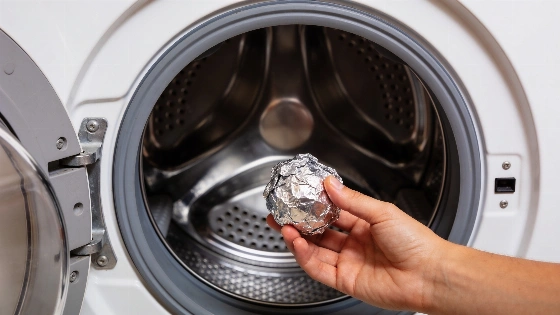
A viral tip suggests tossing aluminium foil balls into the washing machine to prevent static and lint. But appliance manufacturers warn this method confuses washing with drying, and could even risk damaging your machine. Here’s what actually works—and what doesn’t.
On August 2, 2026, a household tip spread rapidly online, urging people to add two or three balls of aluminium foil to their washing machines. The claim: the metal would disperse static electricity and stop clothes from sticking together or attracting lint. But according to leading appliance brands, this advice is not just ineffective—it’s based on a misunderstanding of how static forms in laundry.
Whirlpool, one of the world’s largest appliance manufacturers, points out that static electricity does not develop on wet clothing. The real issue arises during drying, not washing. When clothes tumble in a hot, dry environment—especially synthetic fabrics like polyester or nylon—friction causes a build-up of static charge. Whirlpool’s guidance is clear: while aluminium or wool dryer balls can help reduce static in the dryer, they serve no purpose in a drum full of water.
Static: A Drying Problem
Static electricity is a result of fabrics rubbing together as they dry and lose moisture. The drier the clothes, the more likely static will build up. Whirlpool explains that the heat of the dryer removes water from fibres, increasing the risk of static, particularly with synthetic materials. Some brands, like GE, even use a fine mist of water at the end of the drying cycle to counteract this effect.
This distinction matters. The viral hack attributes a drying problem to the washing phase, where water actually prevents static from forming. The telltale signs—clothes clinging together, small shocks, or lint sticking—appear after drying, not during the wash. For better washing results, experts recommend using the detergent drawer correctly and following dosage instructions, rather than relying on metallic objects.
What Appliance Makers Really Say
Whirlpool’s official advice draws a sharp line between washing and drying. The company confirms that static does not form on wet clothes and only becomes an issue in the dryer. While aluminium balls can help in the dryer by discharging static and keeping clothes separated, Whirlpool does not endorse putting homemade foil balls in the washing machine. There are no official instructions for making or using such balls during a wash cycle, and the effectiveness of a loose piece of foil in water is unproven.
Even a well-adjusted spin cycle, which reduces initial moisture, does not turn aluminium into a washing accessory. The advice circulating online is not supported by appliance manufacturers and could even void warranties if damage occurs.
Risks of Foreign Objects in the Drum
Samsung and LG both advise users to keep the washing machine drum free of foreign objects. Samsung warns that coins, hairpins, screws, and other items can damage seals, glass doors, or internal components. LG echoes this, recommending a thorough check for any objects before starting a wash. While aluminium foil is lighter than a coin, it is still not intended for use in the drum and could deform, unravel, or develop sharp edges during the cycle. There is no guarantee that all machines will tolerate such objects without issue.
Ultimately, the manufacturer’s manual should take precedence over any social media tip. Preparing clothes properly—emptying pockets, closing zippers, and removing small items—remains the best way to protect both garments and appliances.
How to Actually Reduce Static
To minimise static, Whirlpool suggests separating synthetic and natural fibres and avoiding overdrying. Removing clothes while they are still slightly damp, adding a damp cloth in the final minutes, using steam, or selecting an anti-static program can all help. LG recommends low heat, air drying, or using wool dryer balls specifically designed for dryers. These measures target the phase when static actually develops.
Fabric softener can also reduce static, according to Bosch, but it is not suitable for all fabrics, such as sportswear or microfibres. For those who air-dry clothes, hanging them properly and removing them promptly from the drum helps prevent odours and speeds up drying. If using a dryer, moisture sensors can prevent over-drying, and folding or hanging clothes immediately reduces further friction.
The viral aluminium foil hack is based on the metal’s conductivity, but applying it in the washing machine is both unsupported by experts and potentially risky. As appliance makers stress, understanding when and how static forms is key to effective laundry care.