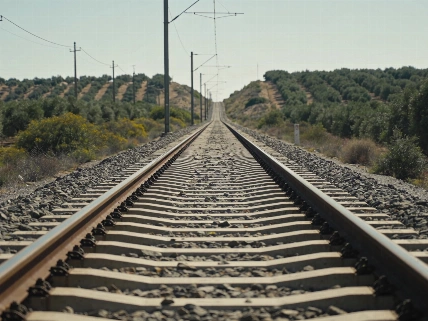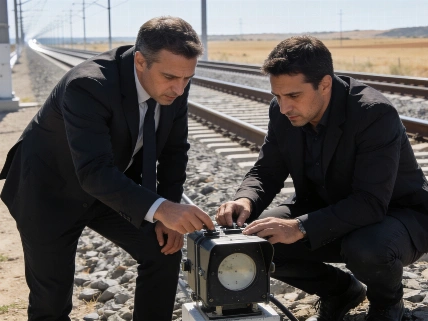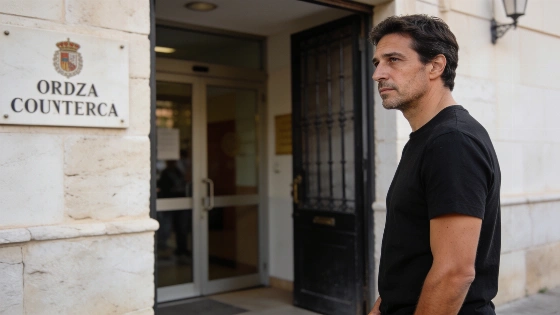
The Urda crash investigation remains under judicial secrecy, leaving victims unable to start compensation claims until investigators establish its causes and possible responsibility. The collision on 28 October in Toledo killed at least 69 people and injured more than 100. A Renfe AVE train struck the rear of a stationary Iryo train.
The delay could stretch for years. In the Angrois rail disaster, a final judgment came 13 years after the crash, according to the case history outlined by the lawyers consulted for this report.
Victims can receive payments through the compulsory passenger insurance included in train tickets, other insurers and government aid. The insurance provides €72,121.46 for a death and up to €84,141.70 for a first-category injury such as blindness or amputation; tetraplegia is also included. The government’s breakdown of the extraordinary Urda package lists graduated bodily-injury payments from about €2,404 to €84,141, depending on severity.
The Council of Ministers approved a further €30 million in aid on Tuesday, 3 November 2026. The package comprises €15 million in direct emergency grants and €15 million in advances against civil-liability compensation. The government set the direct death payment at €72,121.46 and an advance of the same amount, or €144,242.92 from the two measures combined. The stated death payment in the source material is €72,121.64, and the two death figures in that material differ. The decree entered into force after publication in Spain’s Official State Gazette on 4 November. These payments are advances and grants, not a final judicial assessment of damages or responsibility.
Separately, European rail passenger rules require railway companies to make an advance of at least €21,000 within 15 days. The state pays this amount first, then seeks reimbursement from whoever is found responsible. Any civil-liability advance is deducted from a final award; victims do not have to repay the difference if the award is lower.
These payments do not prevent a court claim for further compensation. Pedro Colina, a partner in the economic criminal law team at Kepler-Karst, says courts assess material and personal harm, including its moral dimension, while insurers pay subject to the limits of the relevant policy.
Courts commonly use Spain’s road-accident compensation scale, revised in 2015 and updated annually, as a reference. It sets €117,622.06 for a spouse of a victim aged up to 67 and the same amount for each child under 14; awards decrease as the age of the victim or child rises. The scale also covers parents, siblings and other close relatives. For survivors, it can account for lasting effects on quality of life and work, as well as future care costs.
In earlier rail cases, courts have applied the scale with a 50% increase, lawyers Pablo Henríquez and Víctor Esgueva of López-Ibor DPM Abogados say. In the Angrois case, the court also widened the group of relatives eligible for compensation. In January, the Audiencia de A Coruña confirmed civil liability for Renfe and the train driver; insurer QBE was ordered to cover €12 million for families of those killed and €10 million for injured people.
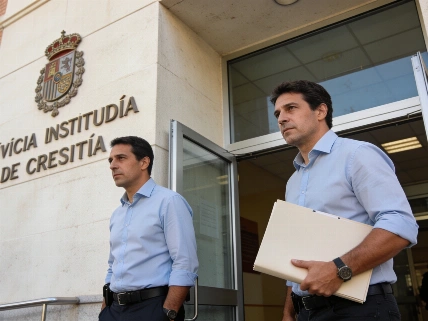
That precedent offers context, not a fixed formula for Urda. The investigating judge, Aristea Afroditi Ortiz, is examining the fall of the LZB signalling system and an alleged human error in rail traffic control at Atocha. Spain’s Railway Accident Investigation Commission (CIAF) opened a separate technical inquiry on 29 October, the day after the collision, and classified it as a major accident. Court of First Instance and Preliminary Investigation No. 2 in Orgaz, Toledo, is handling the judicial proceedings. If the judge finds indications of a crime, the case can proceed to trial.
The outcome will determine the route for claims. If there is evidence of a crime, victims can seek civil compensation within the criminal case or reserve their claim for a civil court. If no criminal responsibility is found but the public rail service is shown to have operated abnormally, they can pursue administrative liability against Adif, with a possible later review by the administrative courts. The technical inquiry and judicial investigation are separate proceedings; the extraordinary aid does not determine who caused the collision.
Lawyers recommend that affected passengers start gathering evidence while the investigation continues. This includes tickets and medical reports, along with bills for expenses linked to injuries. Financial or family records can support claims, as can proof of lost belongings. The López-Ibor lawyers say compensation can cover proven losses and lost earnings when a link to the crash is established. Applications for the extraordinary state measures opened in November, and victims and relatives can apply through the Ministry of Transport’s online portal or in person until 5 February 2027. Submissions can also be made through official registries under Law 39/2015. The Government's separate aid package for victims is described in this report on state assistance.