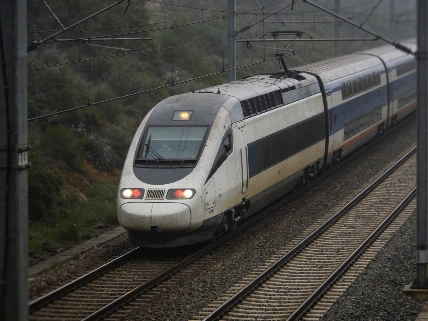
Spain’s new transport minister met the Adamuz victims’ association on Friday, two days after taking over the portfolio following Óscar Puente’s resignation. RTVE, citing sources in the vice-presidency, reported that Carlos Cuerpo proposed an office to support victims of recent rail accidents. Its structure has yet to be agreed and will be discussed with the associations. The meeting followed two fatal rail accidents in Spain in 2026: the Adamuz crash in Córdoba on 18 January, which killed 46 people, and the subsequent Urda accident in Toledo, which killed 69.
Cuerpo also said he would review the association’s outstanding demands. They include changes to insurance protocols and media coverage. The group also wants the accident declared an occupational accident urgently, citing the hardship faced by affected families.
Association representative Mario Semper described Cuerpo as «bastante más» receptive than his predecessor, translated from Spanish as “considerably more”. But he added that «el listón estaba muy bajo», or “the bar was very low”. He said an 11-point document submitted in March remained unresolved.
The association has asked to meet Prime Minister Pedro Sánchez and leaders of the main political parties to present its demands. Semper said the requested meeting with Sánchez was still under consideration, with no commitment made. He called on political parties to agree on a national pact and avoid using the tragedy during the election period.
On 5 November, the association submitted a nonpartisan proposal for a State Pact for Railway Safety, Victim Support and Justice to the Permanent Deputies’ Commission of Spain’s Congress of Deputies. It calls for those policy areas to be priorities during the first 100 days of the next legislature. Parties were asked to return a signed public-adhesion document by 14:00 on 11 November and join a working meeting with victims and political representatives.
The proposed pact rests on three pillars: railway safety, comprehensive support for victims and effective justice. On safety, it calls for prevention and maintenance, with investment, independent supervision and transparency set as permanent priorities. Its victim-support proposals include coordinated medical, psychological, legal and social assistance, alongside clear information and institutional accompaniment. On justice, it calls for rigorous administrative and judicial investigations, specialized courts and adequate procedural resources. It also seeks decisions within reasonable timeframes, while preserving judicial independence and due process.
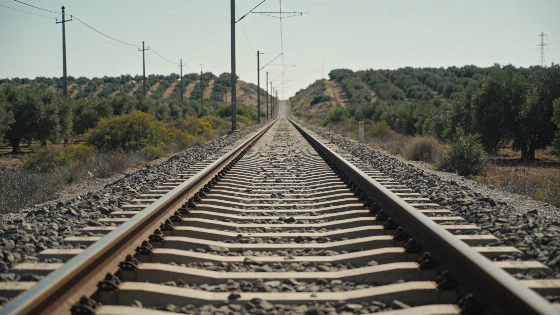
Safety concerns remain central to the association’s demands. Semper told Cuerpo the group was «aterrorizados por estas circunstancias», translated from Spanish as “terrified by these circumstances”, and raised concerns about insufficient investment and safety on the rail network. The Adamuz and Urda accidents together claimed 115 lives. A previous report on rail victims’ compensation covered aid for people affected by the Urda accident.
On 2 November, the Council of Ministers announced a support decree for Urda victims. The measures include doubling benefits under compulsory passenger insurance and advance compensation payments, as well as temporary-incapacity benefits and personalized support offices. The package offers a model for coordinated assistance. The Adamuz association is seeking a wider framework of continuing support for victims.
Cuerpo has also met Adif president Luis Pedro Marco de la Peña and transport secretary of state José Antonio Santano. Marco de la Peña resigned after the meeting on 4 November, following the Urda crash and amid scrutiny of rail infrastructure management. Hours before the resignation was formalized, Adif’s board had approved a 2026–2030 financing framework with the central government. The agreement included increased spending on track maintenance and safety. Cuerpo later met the train drivers’ union Semaf, which called for concrete sector-wide measures that put safety ahead of commercial or operational interests.
As of Friday, Semaf had scheduled a strike for 10 November, with a partial stoppage on 12 November. Adif’s strike was set for 17 November, alongside partial stoppages four days later.