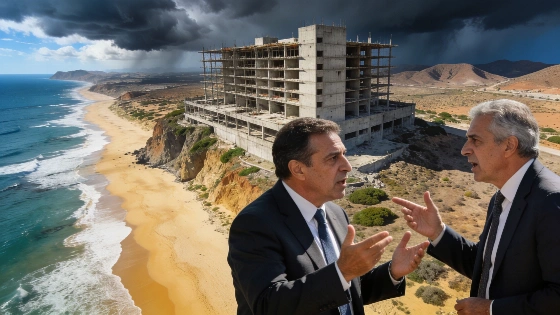
The Carboneras council has revoked the 2003 building permit for El Algarrobico hotel. This move follows a court ultimatum and years of legal delays. The decision is key for the demolition of the disputed structure.
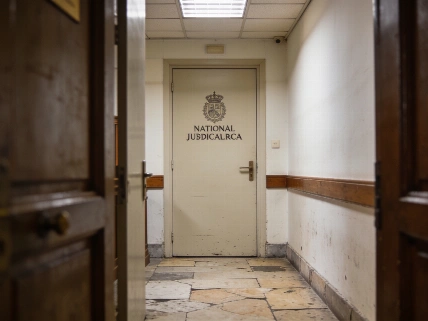
The Carboneras town council in Almería has formally revoked the building license granted in 2003 for the El Algarrobico hotel, a long-standing symbol of coastal development controversy in Spain. The decision, made during a tense extraordinary session, comes after the Tribunal Superior de Justicia de Andalucía (TSJA) ordered the council to annul the permit within 20 days, following years of postponements and legal wrangling.
The move is a critical step toward the demolition of the hotel, which stands within the protected Cabo de Gata Natural Park. The TSJA had previously ruled in 2021 that as long as the original license remained valid, the building could not be legally demolished. The council's latest action directly responds to mounting judicial pressure and a recent advisory from the Consejo Consultivo de Andalucía, which declared the municipal authorization null and void.
Mayor Salvador Hernández (Ciudadanos), visibly moved, closed the heated session by expressing hope that the long-running dispute over El Algarrobico would soon end. However, the process is far from over. Azata del Sol, the developer behind the hotel, now has two months to challenge the council's decision in the Almería courts and could later appeal to the TSJA. According to Greenpeace lawyer José Ignacio Domínguez, this legal battle could extend for another five years.
The vote revealed deep divisions within the local government. Seven councillors present supported the annulment, while four others—including two from the PSOE, a non-affiliated former mayor, and a former PP councillor—left the chamber before the vote. The socialist group was split, with three of its six members backing the review and one absent. PSOE spokesperson José Luis Amérigo explained that the June 17 session was postponed due to missing technical and legal reports, which he argued were essential for assessing the economic and urbanistic consequences for the municipality. He maintained that the current session failed to provide these documents, calling the process irregular and justifying the group's walkout. Similar concerns were echoed by other absent councillors.
The council's decision follows years of delays and repeated ultimatums from the TSJA, which has consistently pressed Carboneras officials to address the legality of the hotel permit. The recent advisory opinion from the Consejo Consultivo de Andalucía accelerated the process, but the June 17 vote was unexpectedly postponed thanks to PSOE councillors. This prompted Greenpeace, the Junta de Andalucía, and the Ministry for Ecological Transition to urge the TSJA to enforce compliance, even suggesting the court could intervene directly if the council failed to act.
Legal disputes over controversial coastal developments are not unique to Andalusia. In a comparable case, the Galician High Court recently overturned the annulment of building licenses for luxury villas in Vigo, citing procedural irregularities and supporting the original municipal decision. For more on how Spanish courts are handling similar urban planning conflicts, see this report: Galician court backs municipal license for Cabo Estai villas after legal challenge.
The El Algarrobico case has become a national reference point for debates over urban planning, environmental protection, and the limits of municipal authority in Spain. The outcome of the upcoming legal appeals will determine not only the fate of the hotel but also set a precedent for future disputes involving protected coastal areas and contested development projects. The situation remains fluid, with the next steps hinging on whether Azata del Sol pursues further legal action and how the courts respond to the council's latest move.