From January 2027, drivers in Spain, France, and Italy will pay for fast electric car charging with a bank card. The EU will require a rapid charging station every 60 km on main roads, ending the maze of apps and operator cards.
Starting in January 2027, anyone plugging into a fast electric car charger in Spain, France, or Italy will be able to pay with a bank card. No more searching for the right app or operator card. The European Union’s new rules will force this change across the continent. Card payment will become the standard at all high-power charging points.
This is about more than just making things easier. The EU’s Alternative Fuels Infrastructure Regulation (AFIR), which started in April 2024, is now moving into its next phase. These rules apply directly in every member state. There will be no national delays or exceptions. For drivers, this means the end of the digital maze that has made long electric trips so complicated.
For charging stations below 50 kW, AFIR allows payment via an online solution such as a QR code, without requiring an app download or account creation.
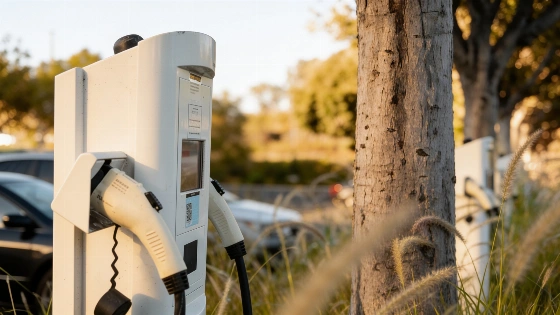
Every rapid charger of 50 kW or more—whether new or already installed—will have to accept contactless and chip bank cards. This rule already applies to new chargers since April 2024. Soon, it will cover the whole network. For slower chargers under 50 kW, the EU will require a QR code payment option. Drivers will be able to pay with their phone and card in just a few taps, with no need to register or download an app.
The regulation goes further. On the main roads of the trans-European transport network, there must be a rapid charging station at least every 60 kilometers. The goal is simple: no more range anxiety, no more planning trips around charging gaps. The EU wants electric travel to be as easy as filling up with petrol. Drive, stop, pay, and go.
For Spanish drivers, this will be most noticeable on cross-border trips. Until now, driving from Spain into France or Italy meant checking which operators worked in each country, downloading several apps, and dealing with different payment systems. That hassle is about to end. As reported earlier, Spain’s electric car market is changing fast, but the charging experience has lagged behind. The new rules aim to fix that.
According to official EU documents and industry sources, the AFIR regulation applies directly in all EU countries, meaning Spain, France, and Italy cannot delay or override these requirements with national laws. Independent sector reviews in 2026 confirm that older fast chargers on key TEN-T routes will need to be retrofitted with card payment terminals by 2027, while new stations must already comply.
Transparency is another key part of the regulation. From 2027, all operators must show prices in euros per kWh, just like petrol stations show the price per litre. Drivers will be able to compare costs before plugging in. Real-time information on charger status—whether it’s available, busy, or out of order—will be required. This info will be accessible from the car’s navigation or any map service. The days of arriving at a dead or broken charger without warning are set to end.
If you’re planning a trip, the checklist is simple. Bring a physical bank card for any charger above 50 kW. Have a smartphone with a camera and data for QR payments at slower points. Check charger availability before you go. Every step is meant to make charging easier and less uncertain.
The regulation sets rules for payment and transparency, but it does not cap prices. Operators will still set their own rates, and price differences between networks will remain. Still, being able to see and compare prices upfront is a big step forward for drivers.
The real test will come in summer 2027, when Europe’s highways fill with holiday traffic and the new 60-kilometer rule faces its first big challenge. Whether the network can keep up with demand is not yet clear, but the direction is set. For Spanish drivers, the days of charging confusion are almost over. The EU’s move is a clear step toward making electric travel practical and predictable, no matter which border you cross.
The full legal text is available on the official EU legislation portal. The next few years will show if these rules deliver on their promise. But Brussels has made its message clear: the era of fragmented, app-dependent charging is ending.