Withdrawing more than three thousand euros in cash from an ATM now places account holders under the close watch of the Agencia Tributaria. The move, coordinated with banks and the Bank of Spain, aims to tighten the fight against tax fraud and ensure transparency in high-value cash movements.
Withdrawing more than three thousand euros in cash from an ATM in Spain now draws immediate attention from the Agencia Tributaria. This closer monitoring, coordinated with banks and the Bank of Spain, is part of a broader effort to crack down on tax fraud. Large cash withdrawals no longer pass unnoticed.
Although most people in Spain use digital payments for everyday purchases, many still prefer cash. This ongoing reliance on physical money has led the tax agency to focus more closely on large cash withdrawals and deposits, especially those that might point to undeclared income or suspicious activity. According to MSN España, Spanish law does not set a maximum limit for cash withdrawals, but transactions above certain amounts must be reported and are more likely to be reviewed by tax authorities.
"Banks in Spain are required to report any cash transaction exceeding 3,000 euros to the tax authorities, including detailed client information, as mandated by Orden EHA/98/2010."
— MSN España
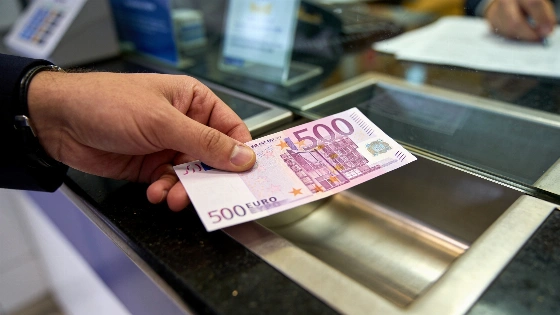
There is no absolute cap on how much cash you can take out of a Spanish ATM. Still, the rules are strict. Any withdrawal or deposit of one thousand euros or more requires the bank to identify the account holder and report the transaction. Once the amount exceeds three thousand euros, the transaction is automatically flagged for further review. Using 500-euro notes raises even more suspicion and can trigger extra checks, as these large denominations are seen as a warning sign by authorities.
The legal basis for this monitoring comes from Ministerial Order EHA/98/2010, which obliges banks and credit institutions to file detailed reports on any cash operation over three thousand euros. These reports must include the account holder's name, full ID number, date, type of transaction, amount, and the account involved. The goal is to make sure large cash flows can be traced clearly, leaving little room for doubt about where the money comes from or where it goes. The Agencia Tributaria says these measures are meant to make all significant cash movements transparent and traceable, supporting efforts to prevent tax evasion.
If you prefer to handle large sums in cash, it's important to always ask for an official receipt from the bank for any big withdrawal or deposit. This paperwork can be crucial if the Agencia Tributaria later asks about the source or purpose of the funds. Without it, you could face sanctions or lengthy investigations that might have been avoided with proper documentation.
"While large cash withdrawals are not prohibited in Spain, the tax agency may later request documentation to verify the origin of the funds and compare them with declared income. Experts recommend keeping all bank receipts for significant transactions as a precaution."
— MSN España
These tighter controls show the determination of Spanish authorities to close gaps that allow tax evasion. By making high-value cash transactions easier to track, the system puts the responsibility on individuals to explain their financial activity. In practice, anyone moving large amounts of cash should be ready to provide documentation if asked. The message from the Agencia Tributaria is clear: large cash withdrawals are no longer ignored, and failing to keep records can bring unwanted attention from tax authorities.