A report sent to Spain’s Audiencia Nacional says Moroccan authorities knew days ahead that a mass entry into Ceuta was expected. The CNI says security for the Throne Festival took priority as the border response fell short.
More than 70,000 people attempted to enter Ceuta on 30 and 31 July.
Arrests and transfers inland began only after arrivals by land and sea had peaked, according to a Spanish intelligence report. More forceful deterrent measures also came too late to stop the largest influx.
The report sent to the Audiencia Nacional says Moroccan authorities knew days in advance that a mass entry into Ceuta was expected in late July. The CNI links the weak response to the priority given to security for the Fiesta del Trono, attended by Mohamed VI in nearby Rincón.
Spanish intelligence says Moroccan authorities knew the situation was unusual and had seen a tangible rise in migrant arrivals near Ceuta. On 29 July, the CNI sent a warning note to the court. The next day, the head of the Government Delegation’s cabinet told the CNI office in Ceuta that the situation remained worrying. He also said an agreement had reportedly been reached with Morocco to return people entering the city.
The CNI had flagged social media calls to cross into Ceuta, with an estimated audience of about 180,000 users. It warned that if 10% tried to make the crossing, arrivals could exceed the episode recorded in 2021. The cabinet chief questioned whether the estimate of online users was too high.
According to Europa Press, the report was prepared in response to questions from investigating judge María Tardón. It draws on inquiries into the entries on 30 and 31 July, when more than 70,000 people attempted to reach the Spanish autonomous city. The report runs to about 20 pages.
Until the day before the mass entry, Moroccan authorities had actively intercepted people trying to swim across, the main method used up to that point. When the number of people attempting to enter rose sharply, the CNI observed an inadequate deployment and a passive response. The report says that after Moroccan authorities lost control, they took no proactive steps. The CNI places the mass entry at about 11:00 on 30 July.
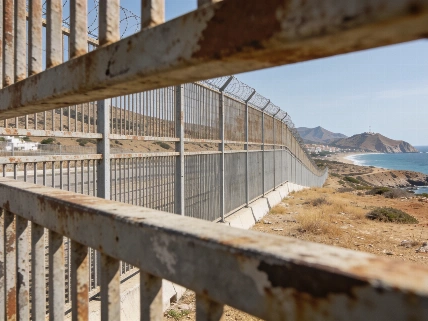
The Gendarmerie set up controls, but the report says they could not contain arrivals near Ceuta. On 29 July, Moroccan authorities had deployed more Auxiliary Forces near the border dyke by Castillejos after detecting a marked increase in flows. Earlier coverage of Felipe VI’s Ceuta visit also addressed the city’s sovereignty debate.
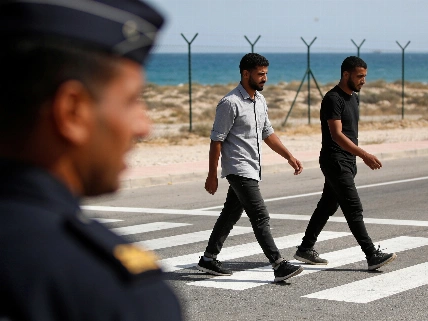
After the entries, Moroccan authorities provided facilities and temporary shelters. They also set up a field hospital.
Buses carried returnees to different towns inside Morocco.