Catala Defends Mazon in Congress Over Valencia Flood Case. The Spanish Congress is examining the roles of Carlos Mazón and María José Catalá in managing the aftermath of the flood. Catalá said Mazón was the first to take political responsibility. Authorities have also faced criticism over outdated plans and delayed warnings.
Spain’s Congress is examining the actions of former Valencian Community president Carlos Mazón and Valencia city officials following the devastating 2024 flood. Testifying as a witness, María José Catalá, Valencia’s mayor, said Mazón was the first to acknowledge political responsibility for the tragedy, unlike other officials. She stressed that officials made decisions with limited information and argued that criticism of Mazón fails to account for this. The disaster struck on October 29, when a DANA, a cut-off low-pressure system capable of producing intense localized rainfall, caused the El Poyo ravine to overflow and flooded communities across the area.
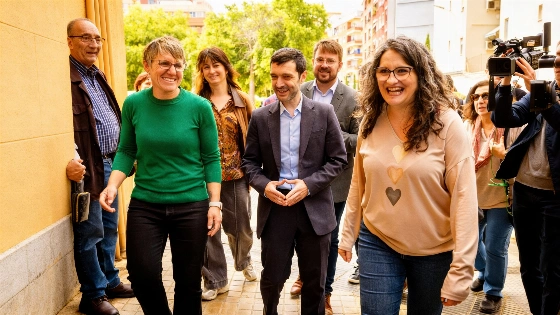
Àgueda Micó, an MP from Més-Compromís, reminded the chamber of Catalá’s close ties to Mazón by presenting a photograph of them together. She accused the former president of making false statements and delaying the authorities’ response on the day of the disaster. Catalá said she supports Mazón because he did not shy away from responsibility, adding that his continued presence in parliament is a personal decision. At a briefing on October 30, Mazón said: “Dead bodies have been found, but out of respect for the families, we are not going to provide any further data.”
The hearings examined events on October 29, 2024. Information from the official version, Mazón was at his workplace coordinating actions, but arrived at the crisis center only after 20:28. By then, the Es-Alert mass warning had been sent and the number of victims had exceeded 150. Catalá said city services received their first signal of the emergency only at 20:04, and that until then there was no reason for an urgent alert to residents. The Spanish national weather agency, AEMET, had issued its highest-level red warning for extreme rainfall in Valencia. Rainfall totals in Turís and Utiel reached about 200 millimetres.
The mayor of Valencia also explained why the city’s loudspeaker alert system was not used. She said there was no information about an imminent threat and that no one had warned the municipality of specific risks to affected neighborhoods. Catalá said she immediately contacted regional services and activated the local emergency headquarters when the danger level was raised to “orange.” The flood affected a broad corridor that included Torrent, Picanya, Paiporta, Benetússer, Sedaví, Massanassa and Catarroja. Transport was also disrupted: train and bus services were suspended, and flights were diverted.
Catalá also focused on outdated flood-protection documentation. She said the plan in force at the time did not account for threats to the three most affected suburbs: Forn d’Alcedo, La Torre and Castellar Oliveral. The documents mistakenly indicated that, if a river overflowed, water would flow into rice fields rather than residential areas. Catalá called the mapping “hopelessly outdated” and urged its revision.
Mazón and other regional leaders remain under parliamentary scrutiny. Deputies have already demanded that Mazón and Salomé Pradas, who was responsible for regional emergency management, be questioned again. They cited inconsistencies in the official accounts and new data from government correspondence. The judicial investigation, led by investigating judge Nuria Ruiz, is also examining the timing and wording of the Civil Protection alert. Catarroja mayor Lorena Silvent testified that she received no direct call or early warning from the Generalitat, and that the alert reached mobile phones only after the town was already flooded.
Messages cited in reporting on the investigation show that Pradas sought contact with Mazón’s chief of staff, José Manuel Cuenca, at 18:25. At 19:55, Cuenca reportedly replied: “Salo, no talk of confinement, please.” The timeline has sharpened questions about when officials considered protective measures. Emergency officials began meeting at approximately 17:00, as the storm’s impacts were developing across the region.
The 2024 flood was one of the most tragic in Valencia’s history, claiming 230 lives. The Es-Alert system was used on a large scale for the first time to inform the public about the emergency. After the disaster, authorities began revising response plans and updating risk maps, but questions about the timeliness and effectiveness of the measures remain unresolved. The flood’s physical destruction and the debate over warnings have kept emergency preparedness and the responsibilities of regional and municipal authorities under public scrutiny.