The new school year in Catalonia is set to begin with a strike. Ustec, the main teachers' union, rejects the government's agreement. Demands for more staff and resources remain unresolved.
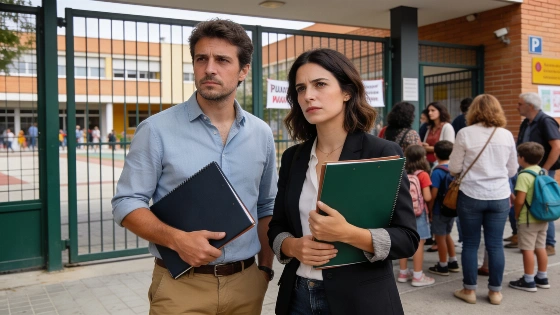
The start of the school year in Catalonia is overshadowed by a renewed standoff between the regional government and Ustec, the leading union in public education. With classes scheduled to resume on the 8th, teachers are preparing for a strike after negotiations failed to resolve key disputes over staffing and resources. The conflict, which has already seen 23 days of strikes in the previous academic year, shows no sign of easing as both sides hold firm to their positions.
Government spokesperson Sílvia Paneque stated that the negotiation phase is over and that it is now time to implement the agreements reached. However, Ustec insists that the process is far from complete, arguing that partial improvements do not address the ongoing challenges in schools. The union points to the need for more personnel and better support for inclusive education, warning that the situation will remain deadlocked without further talks. Ustec also criticized the government for citing over 200 meetings with unions, arguing that such numbers do not replace the need for direct negotiation at the union table.
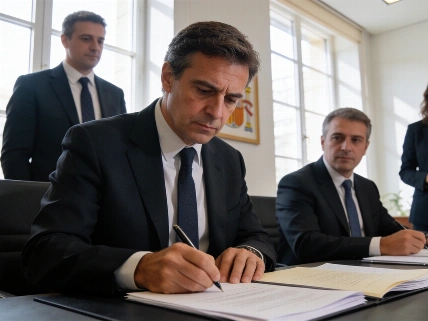
The most recent agreement, which Ustec initially signed but later refused to ratify, includes a €400 salary increase over four years and the addition of 6,000 teaching positions. Despite these measures, a majority of teachers—60% of those voting—rejected the deal, citing insufficient progress on core demands. The union has also highlighted that measures such as expanding school nursing and increasing reception classrooms were already part of earlier agreements from March and May.
Beyond the strike, the depth of the dispute is evident in the decision by more than a thousand schools to suspend field trips and excursions for the coming year. This move has already impacted the cultural sector, with a noticeable drop in bookings at related facilities. The government, while expressing concern, has left the door open to possible adjustments, with Education Minister Esther Niubó expected to provide further details at the end of the month. In an attempt to address some grievances, the government previously agreed to pay €50 per night to teachers accompanying students on trips.
Financial pressures remain a central issue. According to official data, public education spending in Catalonia reached 4.05% of GDP in 2024, still trailing the Spanish average of 4.46% and well below the 6% target set by the education community. The Síndic de Greuges estimates a funding shortfall of nearly €430 million for public school places, with deficits of €572.8 per primary student and €782.1 per secondary student. Ustec argues that these figures underscore the urgent need for increased investment, especially as classroom complexity continues to rise.
This latest dispute comes as Catalonia's education system faces broader scrutiny. Recent issues, such as the disruption of PISA test data due to sampling errors, have further fueled debate over the region's education policies. For example, the loss of reliable student performance data has already sparked political fallout, adding to the pressure on authorities to address systemic challenges.
As the school year approaches, the outcome of this conflict will have immediate consequences for students, families, and the wider community. The situation remains fluid, with both sides signaling that further developments are possible in the days ahead.