Catalan government allocates €800 million for budget compromises. The Catalan authorities have set aside €800 million for agreements with ERC and Comunes on the 2026 budget. The key issues are support for teachers and new investments. The decision will shape the future of several social and infrastructure projects.
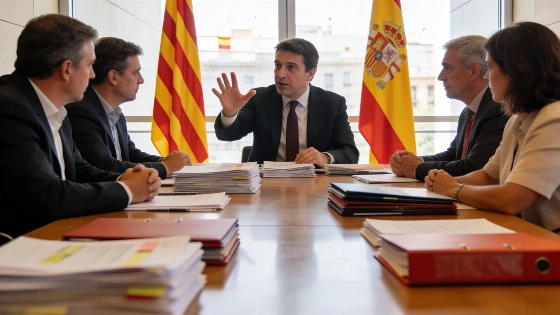
This week, the fate of Catalonia’s 2026 budget is being decided: the regional government has set aside 800 million euros to reach agreements with the ERC and Comunes parties. These funds are intended to meet the demands of parliamentary allies, including support for teachers who continue to protest. According to government sources, part of the amount may be allocated to increasing teachers’ salaries, as well as to infrastructure projects.
After an unsuccessful attempt to approve the budget in March, Salvador Illa’s cabinet hopes to gain the support of the Republicans and Comunes this week. If agreements are reached, regional spending will exceed 49 billion euros—a record for Catalonia. Otherwise, investments in regional development and other key budget items, for which around 1.5 billion euros was planned, will be at risk.
Among the ERC’s key demands are the creation of an investment consortium through a mixed commercial structure and the launch of a railway construction project between Mataró and Vilanova i la Geltrú. These initiatives are to be approved by a bilateral commission between Catalonia and Madrid after the Andalusian elections. In addition, further healthcare and education measures are under discussion, some of which do not require direct financial expenditure.
The issue of salary increases for teachers remains one of the most pressing. ERC representatives emphasize that economic constraints should not impede the resolution of the educational conflict. They are willing to revise the terms of the agreement to enhance support for teachers without imposing strict financial limits. The unions also do not insist on a specific number but demand an increase in the March agreement, which provided for a 60-euro monthly bonus to be paid as a lump sum in May (800 euros per person). This will cost the budget approximately 100 million euros. According to union estimates, a more substantial amount needs to be proposed this year, as well as considering repayment of seniority debts and other compensations.
Any change to the agreement parameters affects around 120,000 teachers in public and private schools. For example, a salary increase of 100 euros per month would lead to an additional annual expense of 168 million euros. Negotiations between the government and unions, originally scheduled for Tuesday, have been postponed to Wednesday, which has caused dissatisfaction from the largest union, Ustec. Its representatives are demanding that the negotiations be given the highest priority and are expecting a constructive proposal regarding salaries.
In recent days, both sides have made concessions: the government agreed to resume dialogue, while the unions abandoned their traditional road blockades in Barcelona on the strike day, focusing the protests in the capital’s schools instead. There is optimism about reaching a compromise, shared by both ERC and the unions, who note that prolonging the conflict benefits no one.
In the context of ongoing protests in Catalonia, it is worth noting that the region’s transport system is also facing difficulties: recently, Rodalies employees announced a strike due to staff shortages and an increase in incidents, a topic detailed in the article about demands to bring back ticket inspectors on trains. This highlights how acute the issues of funding and social guarantees are in the region.
For reference: Catalonia’s budget is formed with mandatory salary payments, current expenses, and reserves for new initiatives in mind. In 2026, the region expects record revenues; however, any delays in approving the budget could lead to a freeze of key projects. Education and infrastructure issues traditionally attract the most public attention because they directly impact quality of life and regional development.