Southern Catalonia generates most of the region’s electricity, but resistance to new wind and solar projects is growing. The push for climate neutrality by 2050 exposes deep regional divides and mounting frustration.
Southern Catalonia has become the backbone of the region’s electricity supply, hosting the majority of nuclear, combined-cycle, and renewable energy facilities. The provinces around Tarragona, including Ascó and Vandellós, are responsible for nearly 60% of Catalonia’s total power consumption, much of which is used in the Barcelona metropolitan area. Despite this, the expansion of renewable energy remains slow, and the pressure on these southern areas is intensifying.
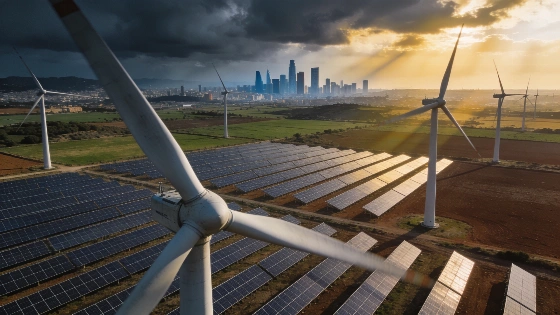
While hydroelectric plants are concentrated in the Pyrenees, and solar production is more evenly spread, the largest wind farms and new solar projects continue to cluster in the south. This concentration has led to growing frustration among local residents, who have already lived for decades with the risks associated with nuclear and petrochemical industries. The visual and environmental impact of wind turbines and solar panels is increasingly a point of contention, especially as other regions resist hosting similar projects.
The Catalan government’s strategic plan, Prospectiva Energètica de Catalunya 2050 (PROENCAT), sets an ambitious target: by 2050, all energy should be generated sustainably, with a legal requirement to reach 50% clean electricity by 2030. However, current figures show that less than 20% of Catalonia’s electricity comes from renewable sources. The reluctance of areas like Alt Empordà, Anoia, Urgell, Bages, Cerdanya, and even parts of Terra Alta to accept new wind or solar installations is understandable, but the climate emergency makes such resistance increasingly difficult to justify.
Barcelona and its surrounding municipalities, as the largest consumers of electricity, have so far contributed little to the solution. Many proposals to install wind turbines or solar fields in other regions have been blocked, often due to opposition from property owners concerned about noise or aesthetics. This has left the burden on a handful of southern comarcas, whose patience is wearing thin. The debate over energy fairness is not new, but the urgency has grown as climate targets approach and the pace of renewable development lags behind.
Authorities now face a dilemma: how to balance the need for rapid expansion of renewables with respect for local communities and agricultural land. One proposed solution is to prioritize solar panels on rooftops, especially in urban areas like Barcelona, where there is ample unused space. This approach could help reduce the pressure on rural zones that have already made significant contributions to the energy transition.
The issue of regional solidarity in energy policy is not unique to Catalonia. Similar tensions have surfaced elsewhere in Spain, as seen when Barcelona was forced to evacuate several buildings after a major sinkhole, highlighting the challenges of urban infrastructure and the need for coordinated regional planning. For more on how local emergencies can expose broader vulnerabilities, see this report on recent evacuations in Barcelona’s Putxet district.
As Catalonia moves toward its 2050 climate goals, the debate over who should bear the costs and impacts of the energy transition is likely to intensify. The experience of southern comarcas underscores the need for a more equitable distribution of both the benefits and burdens of renewable energy. Ensuring that urban and rural areas share responsibility could be key to meeting climate targets without deepening regional divides. The coming years will test the political will to implement solutions that respect both environmental imperatives and local communities.
For context, Spain as a whole has set ambitious renewable energy targets, aiming to generate 74% of its electricity from renewables by 2030. Catalonia’s progress is crucial to meeting national goals, given its size and economic weight. The debate over land use, local opposition, and the role of urban centers in the energy transition reflects broader challenges facing many European regions as they confront the realities of climate change and the need for systemic transformation.