CC OO-PV has filed a criminal complaint after a retired teacher was injured by a police officer during a peaceful protest in Valencia. The union is seeking to act as a popular prosecution. The case is now under judicial investigation.
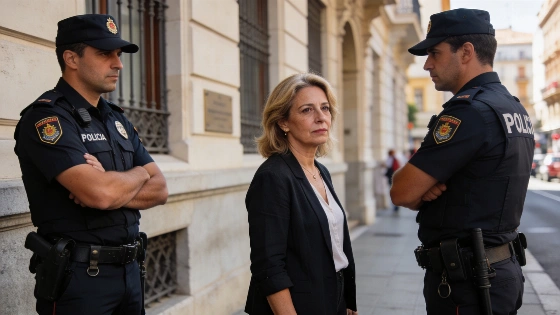
CC OO-PV has moved to become a popular prosecution in the ongoing judicial investigation into the alleged assault of a retired teacher by a national police officer in Valencia. The incident occurred on May 31 near the regional Department of Education, during a teachers' strike, when an officer from the riot control unit reportedly pushed the woman from behind, causing her to fall and sustain physical injuries.
According to a statement released by the union, a formal criminal complaint was submitted on June 12 to the duty court, following a decision by the union's executive committee on June 2. CC OO-PV argues that the officer's actions not only resulted in injuries but also infringed on the fundamental rights of those participating in the peaceful demonstration. The union is requesting that the officer be criminally charged with several offenses, including causing bodily harm with aggravating circumstances of abuse of authority and misuse of public office, as well as crimes against the moral integrity of the victim and failure to provide immediate assistance.
In addition to the criminal charges, CC OO-PV has asked the court to impose a precautionary suspension of the officer from duty for the duration of the proceedings. The union maintains that the officer's conduct undermined the right to peaceful protest and the dignity of the injured teacher. The case is being handled by the judge presiding over Court No. 16 of the Valencia Court of First Instance, who formally opened the investigation on June 15 after receiving the teacher's complaint.
Spain's legal system allows unions and organizations to participate as popular prosecutors in cases of public interest, a mechanism often used in incidents involving alleged police misconduct. The right to peaceful assembly and protest is protected under Spanish law, but recent years have seen increased scrutiny of police actions during demonstrations. The outcome of this case may influence future protocols for law enforcement at public gatherings and shape the debate on accountability for police conduct in Spain.