After weeks of deadlock, Ceuta’s government has started expanding the Sidi Embarek camp. Three hundred migrant women and children will finally get beds and showers. Local volunteers forced the authorities to act after resources ran out.
Bulldozers arrived at Sidi Embarek this week, ending a standoff that left 300 migrant women and children stuck in a tent with barely enough food or water. The government finally moved to expand the camp after local volunteers ran out of resources and demanded action.
For a month, the camp survived on the efforts of Ceuta residents and the Luna Blanca organization. Volunteers handed out hot meals, mothers washed up without running water, and children played on worn-out carpets. Until now, the authorities had only provided three portable toilets for hundreds of people—a sign of how little official help there was. As conditions worsened, local leaders threatened to pull out unless the government stepped in, as reported earlier.
On 13 September 2026, Spanish police and migration services began relocating 864 people from Loma Colmenar to a new temporary facility in Los Rosales, describing the operation as voluntary and incident-free.
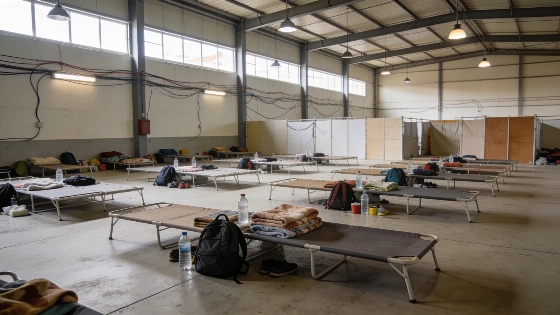
Talks dragged on for weeks. Both the Delegación del Gobierno and the city’s president, Juan Jesús Vivas, were slow to respond. In the end, the central government under Ángel Víctor Torres broke the stalemate. Luna Blanca, which owns the land, will now run the expanded camp, following the model used in other government shelters. The plan—pushed by local residents—calls for tearing down the overcrowded tent and building a new structure with bunk beds, showers, and toilets on nearby land.
Life inside the camp is still hard. Women go over asylum papers, organize trips to the Piniers center for rare showers, and share stories of border crossings and families split apart. Fatima Zohra Elmorabit, who came from Castillejos with her daughters, worries that any move could mean being sent back to Morocco. Karima Mustafá, the camp’s matriarch, manages everything from bread deliveries to urgent medical needs. The camp began when Abdellah Mustafa, now head of the neighborhood association, sheltered a migrant girl after an attempted assault. Within days, dozens more women and children arrived, overwhelming the original football field and forcing a move to Luna Blanca’s land.
Even with construction underway, many remain skeptical. Residents and volunteers have heard too many promises before. Mustafa Abdelkader, Luna Blanca’s president, says he won’t believe in change until he sees real beds and working showers. Some hope the new shelter will be ready in a month, but there’s no official timeline. For now, the only certainty is that the current tent—cramped and airless—will be replaced if the government follows through.
According to Spanish sources, Ceuta already has about 4,300 temporary accommodation places for migrants, and this number may exceed 6,000 in the coming days as new facilities open. The Ministry of Integration, Social Security and Migration has called the recent relocations a 'humanitarian operation' aimed at moving people from street conditions to organized resources.
Just meters from the camp, 88 unnamed graves mark the cost of failed border policies. The same neighborhood that buried the dead has kept the living afloat, but the burden has become too much. The government’s move is not charity—it’s a last resort after local solidarity reached its limit. This episode shows what happens when officials look away and volunteers are left to carry the load. In the end, it’s ordinary people who pay the price, until they refuse to do it any longer.